RORO stands for roll-on roll-off and describes a type of skip hire designed for large volumes of waste. It is commonly used on commercial, construction and industrial sites where materials build up quickly.
Larger than a standard skip, a RORO container is delivered on a specialist vehicle and positioned at ground level. This makes it a practical choice for projects producing bulky materials, ongoing site waste or the equivalent of several smaller skip loads.
RORO skip hire is primarily suited to commercial and construction work rather than small domestic clearances. J&J Franks provides RORO skip hire for suitable projects across Surrey and West Sussex.
What Does RORO Mean?
RORO is an abbreviation for roll-on roll-off. The name refers to the way the container is delivered to site and removed once the waste collection is complete.
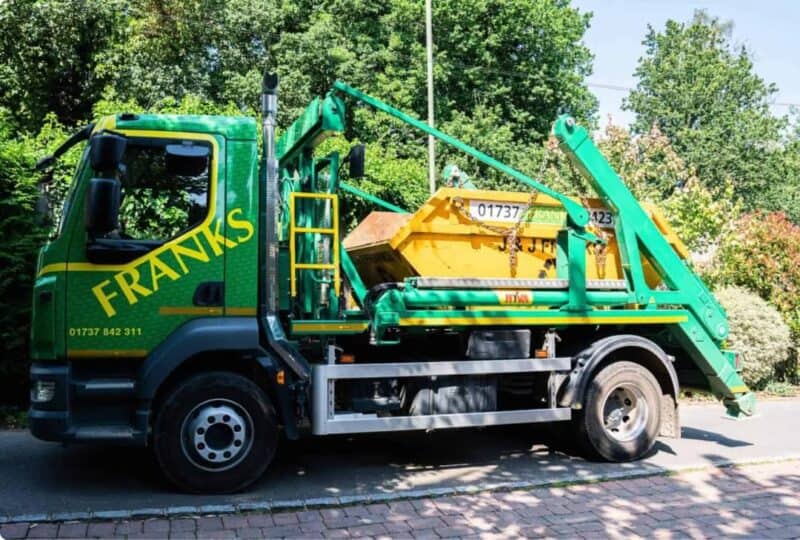
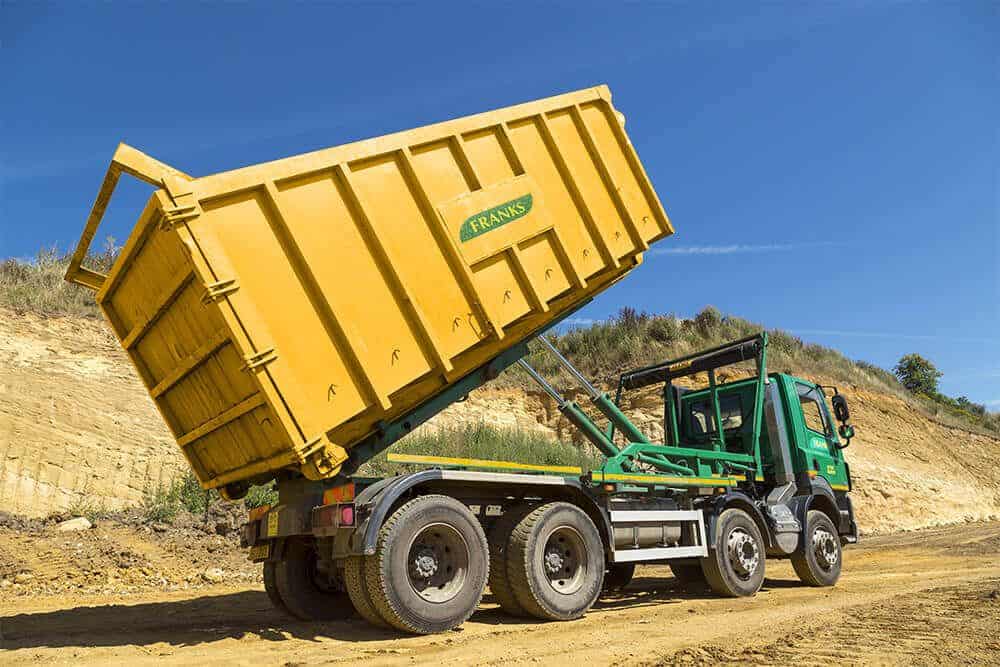
A standard skip is usually lifted into position by a skip lorry. A RORO container is moved onto and off a specialist vehicle using a different mechanism designed for larger containers, then remains at ground level for loading once positioned.
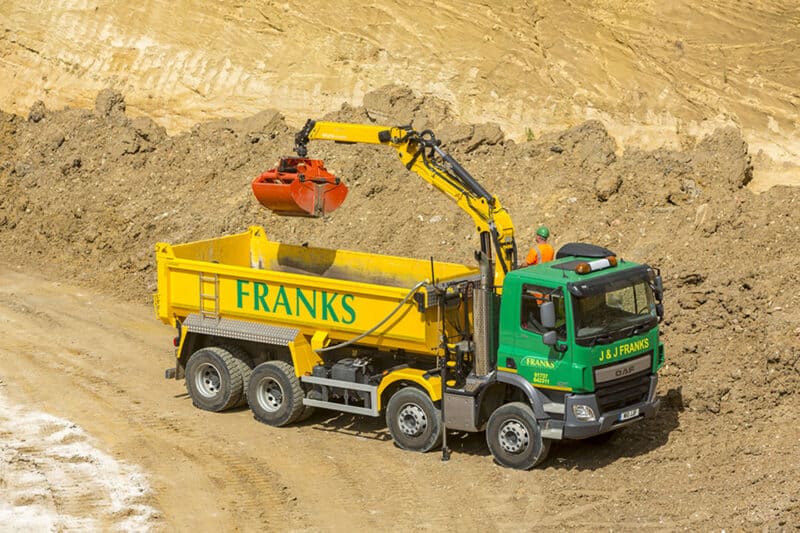
This setup suits sites using loading shovels, excavators or other machinery to move material. It also works well for commercial premises that need a high-capacity container in one dedicated area.
For those unfamiliar with the term, RORO container hire is a larger-scale form of skip hire. The container provides a central location for substantial volumes of waste, reducing the need to manage several smaller skips across a busy project.
How Big Is a RORO Skip?
RORO containers are considerably larger than standard skips. J&J Franks provides 20-yard and 35-yard RORO skips for commercial, industrial and construction projects.
A 20-yard RORO skip suits larger refurbishment work, commercial clearances and construction sites producing a steady quantity of waste. A 35-yard container provides additional capacity for high-volume projects and is often used for bulky or lightweight materials, including wood from larger clearances.
In practical terms, a RORO skip holds the equivalent of several standard skip loads. This gives larger sites one central container for waste instead of a series of smaller skips.
When selecting a RORO container, consider:
- The estimated quantity of waste
- The type of material being removed
- The space available for delivery and positioning
- The vehicle route into and around the site
- Whether waste will be loaded by hand or machinery
- The duration and working pattern of the project
RORO containers sit flat on the ground once delivered, which supports machine loading. They also require more room for delivery and collection than a standard skip, so site access and positioning need consideration before booking.
When Should You Use RORO Skip Hire?
RORO skip hire is the right choice when waste volumes exceed what several standard skips would handle.
It is primarily a commercial and construction service. Large demolition projects, warehouse clearances, factory work, commercial refurbishments and ongoing construction schemes often produce substantial amounts of material that need a RORO container.
A RORO container suits projects where:
- Waste is generated over several days or weeks
- Bulky materials need to be contained in one area
- A loading machine is used to fill the container
- The site has suitable access for a larger vehicle
- Several standard skips would create unnecessary disruption
- The work is commercial, industrial or construction-led
RORO skip hire is not generally suitable for a small home renovation, garden clearance or property with restricted access. For smaller projects, skip hire is often a better fit. J&J Franks provides 2-yard mini skips alongside 6-yard and 8-yard builder’s skips for suitable jobs.
The right waste solution depends on the material type, volume, access and loading arrangements. Grab hire, tipper hire or muck away services are often more appropriate for loose excavation waste or material held in a stockpile.
What Can Go in a RORO Skip?
RORO skips are used for large volumes of general waste, inert material and mixed construction waste.
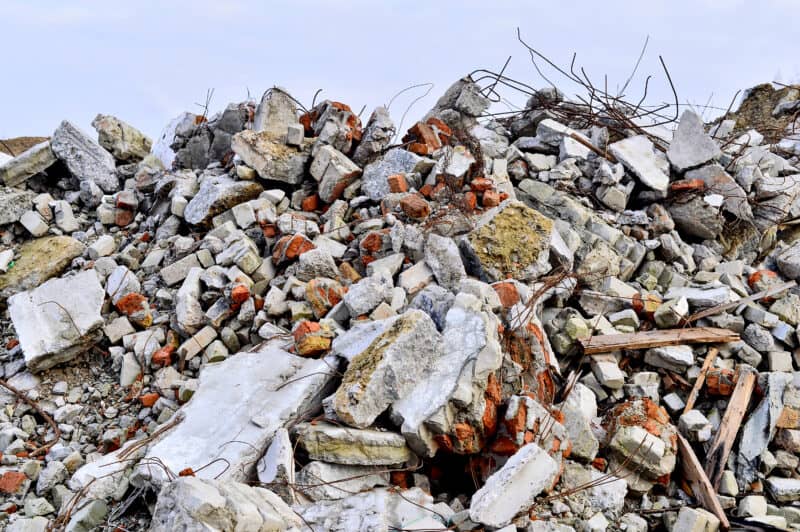
Depending on the project, this includes construction debris, demolition material, bulky commercial waste and site-clearance material. Since RORO containers are often loaded using plant machinery, correct waste identification is important before booking.
Some materials require separate handling and should not be placed in a RORO container without prior confirmation. These include hazardous waste, asbestos, chemicals, paints, solvents, batteries, electrical equipment and potentially contaminated materials.
Waste acceptance is subject to assessment. Discuss the expected waste stream with J&J Franks before arranging RORO container hire so the team can identify the most suitable collection arrangement.
RORO Skip Hire vs Standard Skip Hire
The main difference between RORO skip hire and standard skip hire is capacity. Standard skips are generally suited to domestic clearances, garden work, renovations and smaller building projects. RORO skips are designed for larger commercial, industrial and construction requirements.
| Consideration | Standard Skip Hire | RORO Skip Hire |
|---|---|---|
| Typical project | Home renovations, garden work and smaller construction jobs | Commercial, industrial and larger construction projects |
| J&J Franks sizes | 2-yard, 6-yard and 8-yard options | 20-yard and 35-yard options |
| Waste volume | Lower to moderate volumes | High or ongoing volumes |
| Loading method | Often hand loaded | Well suited to machine loading |
| Site requirements | Usually requires less space | Requires suitable vehicle access and positioning space |
| Cost basis | Depends on size, waste type and hire requirements | Depends on container size, waste type, access and collection arrangements |
The cost of large skip hire in Surrey varies according to the container size, waste type, access arrangements, collection requirements and scale of the work.
A detailed quote provides the clearest cost position. Sharing accurate project information allows J&J Franks to recommend a practical arrangement for the site and expected waste volume.
Do You Need a Permit for a RORO Skip?
If a RORO skip is placed on public land, a permit may be required. J&J Franks can advise on the process, subject to local authority requirements.
RORO containers are often positioned within private commercial premises, yards, managed developments or construction sites. Even where a permit is not required, the proposed location needs sufficient room for delivery, collection and safe loading activity. It is also worth understanding the skip hire rules and fines that apply before arranging a container on or near public land.
If your project needs a RORO container on public land, find out whether you need a skip permit before confirming the placement.
Can You Hire a RORO Skip for a Commercial Project in Surrey?
J&J Franks provides roll-on roll-off skip hire in Surrey for suitable commercial, industrial and construction projects across Surrey and West Sussex. The service is designed for high-volume waste from commercial refurbishments, warehouse clearances, demolition and ongoing construction activity.
A RORO container provides a central point for bulky or ongoing waste, helping keep working areas clearer and reducing the need for several smaller skips.
For commercial skip hire Surrey projects, contact J&J Franks to discuss the most suitable option for your site. The team reviews your waste type, estimated volume, site access and loading arrangements before recommending a service.