Secondary aggregates are playing an increasingly important role in modern construction. As projects place greater emphasis on responsible sourcing and efficient material use, many contractors and developers are reassessing how aggregates for construction are selected and supplied.
Choosing the right aggregates affects ground stability, drainage, programme timelines and overall project performance. It also influences how construction materials are managed once removed from site. Secondary aggregates offer a practical option that supports landfill diversion while meeting the needs of a wide range of groundwork and civil engineering applications.
What Are Secondary Aggregates?
Secondary aggregates are materials that arise as by-products of industrial processes or construction activity and are then processed for use in new projects. Rather than being extracted directly from quarries, they are recovered from existing material streams and prepared for reuse.
Primary aggregates are quarried from natural sources such as sand and gravel pits or hard rock quarries. By contrast, secondary aggregates originate from previously used or processed materials. In some cases, the term overlaps with recycled aggregates, particularly where construction and demolition materials are recovered, processed and graded for reuse.
Within the broader category of construction materials, secondary aggregates sit alongside primary aggregates and recycled aggregates. Each has its place depending on project specification, load requirements and ground conditions. The key is understanding how the material has been produced and whether it meets the needs of the intended application.
How Secondary Aggregates Are Produced
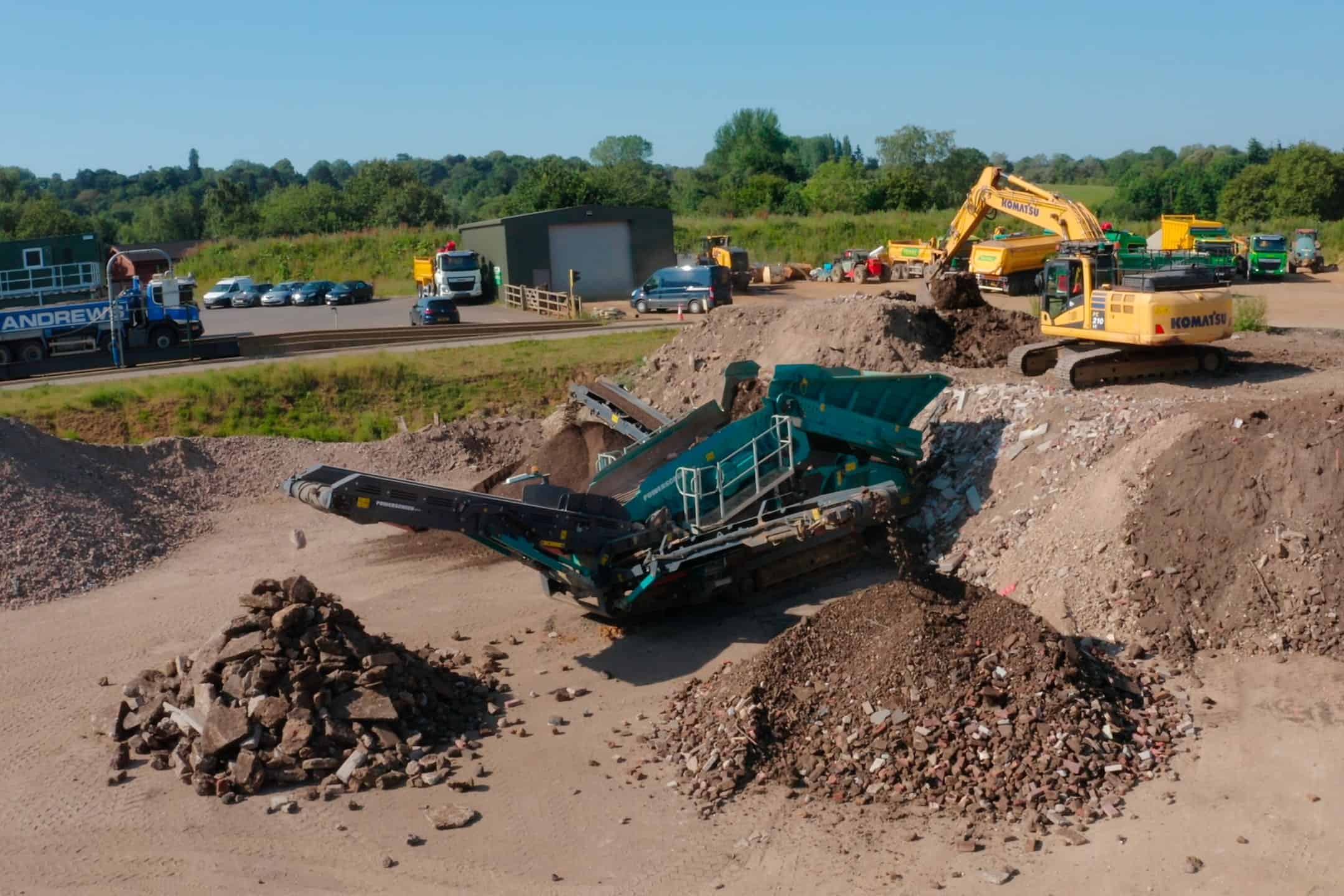
The production of secondary aggregates begins with material recovery. This may involve the collection of suitable by-products from industrial operations or the processing of materials arising from construction and demolition work.
The recovered material is then:
- Sorted to remove unsuitable elements
- Processed, which may include crushing or screening
- Graded to achieve consistent sizes
- Checked to ensure it is suitable for reuse
Clear handling procedures and traceability are important at every stage. Responsible operators ensure materials are managed correctly from the point of collection through to supply, reducing unnecessary disposal and supporting compliant waste management practices.
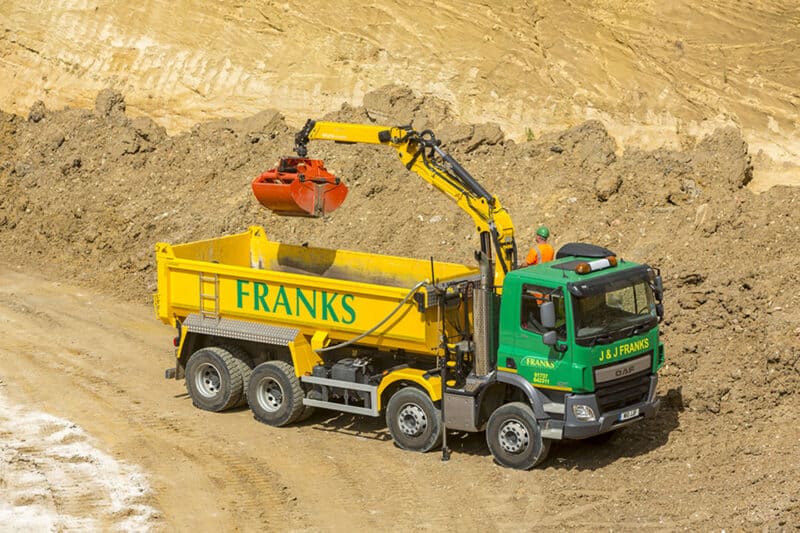
Recovered materials handled through J&J Franks’ waste transfer and land recovery operations can be processed and repurposed where appropriate, contributing to the supply of aggregates for construction projects across Surrey, West Sussex and South London.
Where Secondary Aggregates Are Used in Construction
Secondary aggregates are widely used in groundwork and infrastructure projects. Their suitability depends on specification and engineering requirements, but common applications include:
- Sub-bases beneath roads, driveways and hard standings
- Bulk fill for raising levels or backfilling
- Capping layers to stabilise formation levels
- Landscaping and general site preparation
When selecting aggregates for construction, contractors must consider factors such as load bearing requirements, drainage performance and layer thickness. In many cases, secondary or recycled aggregates provide a practical solution for non-structural applications where specification allows.
They are particularly useful on projects focused on efficient material use, such as redevelopment sites where materials removed during demolition can be processed and returned to the same site or another local project.
As with any construction materials, the decision should always be guided by engineering advice and project requirements rather than cost alone.
The Benefits of Secondary and Recycled Aggregates
Using secondary aggregates offers both practical and environmental advantages when applied appropriately.
Reducing Reliance on Newly Quarried Materials
By reusing suitable recovered materials, demand for newly extracted primary aggregates can be reduced. This helps conserve natural resources and supports more balanced material management across the supply chain.
Supporting Landfill Diversion
Processing materials for reuse instead of disposal contributes to landfill diversion. Materials that might otherwise be treated as waste are given a productive second use in construction.
Making Use of Recovered Construction Materials
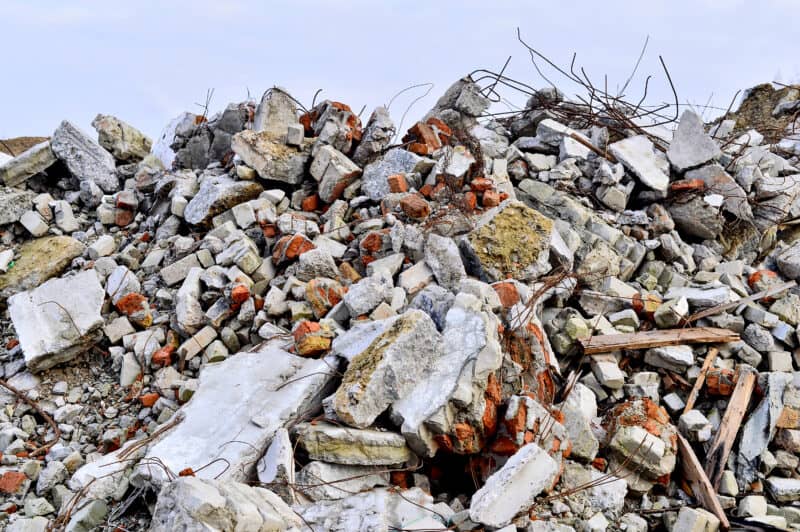
Construction and demolition projects generate significant volumes of material. When handled correctly, much of this can be processed into recycled aggregates or secondary aggregates, reducing unnecessary waste movements and making practical use of what is already available.
Contributing to Sustainable Construction Materials Strategies
Many developers and contractors now include sustainable construction materials considerations in their project planning. Incorporating secondary aggregates where specification allows can form part of that wider strategy, alongside responsible sourcing and careful waste management.
Potential Cost Efficiency
Depending on availability, processing and specification, secondary and recycled aggregates can offer cost efficiencies compared to some primary materials. However, suitability and compliance should always take priority over price.
It is important to avoid overstatement. Secondary aggregates are not a replacement for all primary materials. They are one option within a broader toolkit of construction materials and should be selected on technical usability.
Choosing the Right Aggregates for Construction
Selecting the right aggregates for construction requires a clear understanding of both project requirements and material characteristics.
Key considerations include:
- The specification set by engineers or designers
- Load bearing and performance requirements
- Drainage and compaction needs
- Site access and delivery constraints
- Programme timelines
Working with an experienced aggregate supplier helps ensure the material delivered is appropriate for the intended use. A dependable supplier can also coordinate logistics, advise on availability and ensure materials are handled in line with regulatory requirements.
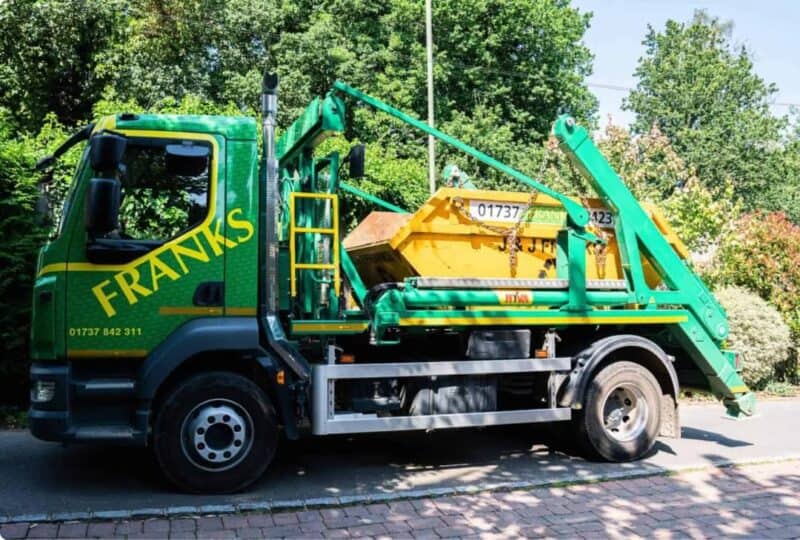
With over 80 years of experience, J&J Franks supports contractors, developers and groundworkers across Surrey, West Sussex and South London. Our aggregates supply service includes both primary and recycled aggregates, alongside grab hire, muck away and waste transfer services that help manage materials efficiently from start to finish.
We combine aggregate supply with responsible waste handling and land recovery operations, helping projects keep materials moving while maintaining compliance and traceability.
Supporting Construction Projects with the Right Secondary Aggregates
Secondary aggregates are a practical option for many groundwork and infrastructure projects. When selected in line with specification, they can support efficient site operations, reduce unnecessary disposal and contribute to responsible construction materials planning.
Recycled aggregates and other secondary materials form part of a broader approach to sustainable construction materials, where recovered resources are put back into productive use rather than sent to landfill.
For projects across Surrey, West Sussex and South London, choosing the right aggregates for construction comes down to specification and reliability.
Speak to the team to discuss your aggregate requirements or arrange delivery to your site.