If your business produces waste, completing a waste transfer note correctly is a legal requirement under your waste duty of care and forms part of responsible, compliant waste disposal.
Whether you are managing a construction site, arranging trade waste collection or booking a skip, understanding how to fill out a waste transfer note properly protects your business. It provides a clear record of what has been removed, who has taken it and where it is going.
What Is a Waste Transfer Note?
A waste transfer note is a legal document used when non-hazardous waste is transferred from one party to another.
It records:
- What the waste is
- How it is contained
- Who produced it
- Who is collecting it
- Where it is being taken
This documentation forms part of your waste duty of care, which applies to anyone who produces, handles or manages waste as part of their business.
Both the waste producer and the licensed waste carrier share responsibility for ensuring the information is accurate. The document creates a traceable record, helping demonstrate that waste has been handled and disposed of properly.
When Do You Need a Waste Transfer Note?
You need a waste transfer note whenever non-hazardous waste changes hands between businesses.
Common situations include:
- Skip hire collections
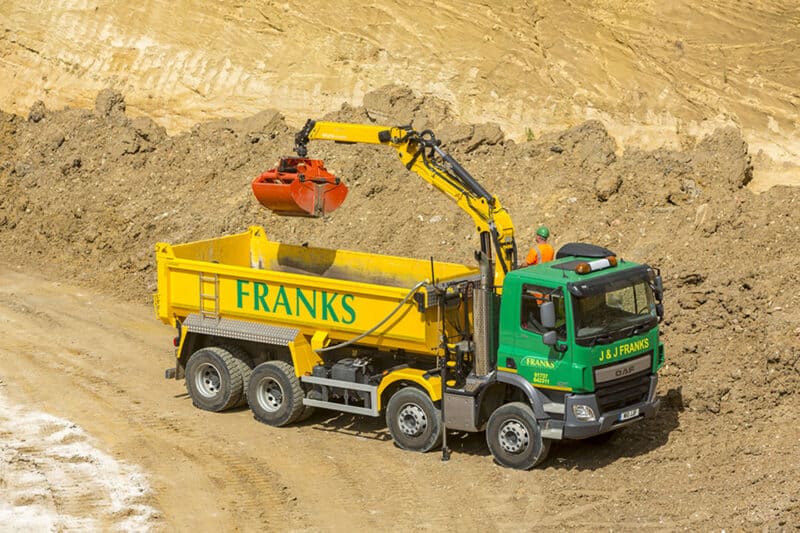
- Grab hire waste removal
- Trade waste collection
- Construction site clearances
- Regular commercial waste services
If you are producing waste as part of a business activity, even in small quantities, you are responsible for ensuring a waste transfer note is completed.
It is important to note that hazardous waste requires a separate consignment note. The process is different and subject to additional controls. This guide focuses on standard non-hazardous waste documentation.
Step-by-Step Waste Transfer Note Guide
Completing a waste transfer note is straightforward when you understand what information is required. The key is accuracy and clarity.
Step 1: Describe the Waste Accurately
Start with a clear description of the waste.
You should include:
- The type of waste
- The quantity
- How it is presented
- The appropriate waste classification code where applicable
Avoid vague descriptions such as “general rubbish” or “site waste”. Instead, be specific. For example, “mixed construction waste including timber, plasterboard and packaging” provides a much clearer record.
Accurate descriptions help ensure the waste is handled correctly and support compliant waste disposal further down the chain.
Step 2: Confirm How the Waste Is Contained
The waste transfer note must state how the waste is stored or transported.
Examples include:
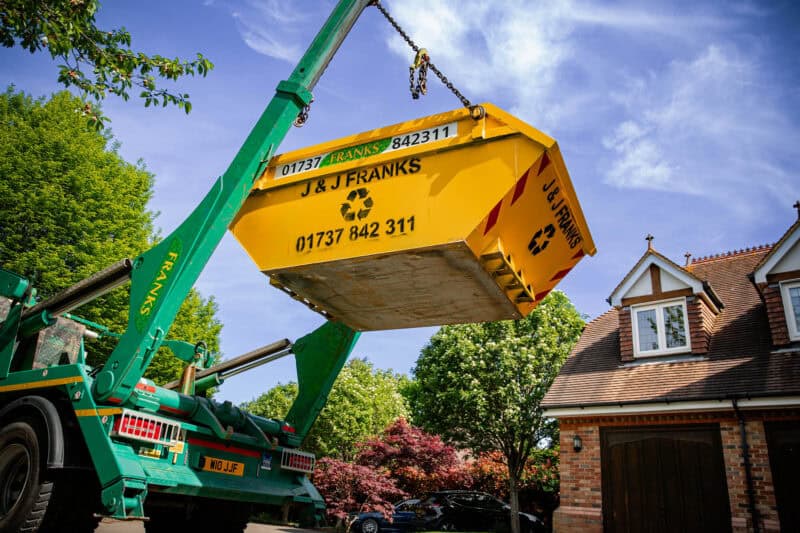
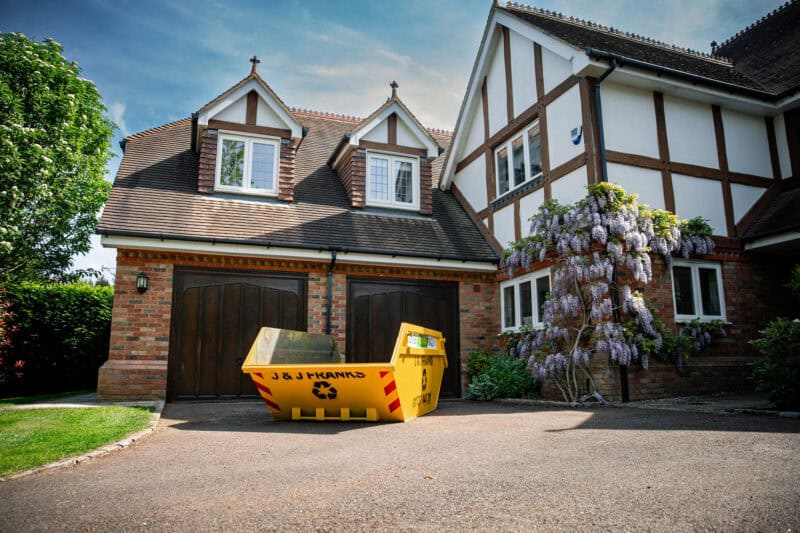
- In a skip
- In a wheelie bin
- In sealed containers
- As a loose load
This information may seem minor, but it contributes to transparency and traceability. It also helps confirm that waste has been stored safely prior to collection.
Step 3: Include the Waste Producer’s Details
The waste producer is the business or organisation that created the waste.
You must provide:
- Company name
- Business address
- Contact details
This confirms where the waste originated and establishes responsibility under the waste duty of care.
If you are operating a construction site, this will typically be the principal contractor or site operator rather than an individual subcontractor.
Step 4: Verify the Licensed Waste Carrier Details
Before waste leaves your site, you must ensure the company collecting it is authorised to do so.
The waste transfer note should include:
- The carrier’s company name
- Registered business address
- Waste carrier license number
Checking the waste carrier license is a key part of your duty of care. Using a licensed waste carrier reduces the risk of your waste being handled improperly or illegally.
If you cannot verify that a carrier is properly registered, you should not allow them to remove your waste. Responsibility does not end once it leaves your site.
Step 5: Confirm the Transfer Destination
The document must state where the waste is being taken.
This could be:
- A waste transfer station
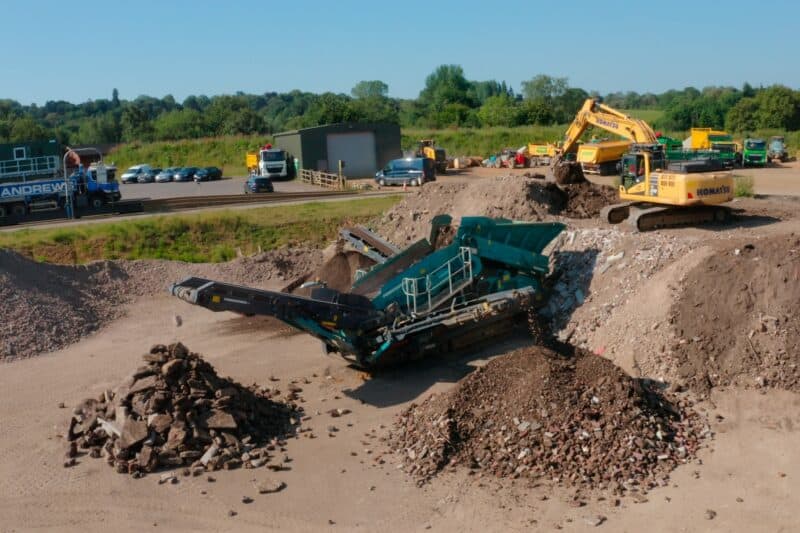
- A recycling facility
- An authorised treatment site
Recording the destination strengthens the audit trail. It demonstrates that the waste is being delivered to a legitimate facility for processing, recycling or disposal.
Clear documentation supports compliant waste disposal and helps protect your business in the event of an inspection.
Step 6: Signatures and Declaration
Both parties must sign the waste transfer note.
By signing, each party confirms that:
- The information provided is correct
- The waste has been described accurately
- The transfer is lawful
A missing signature can invalidate the document, so this final step is essential.
How Long Should You Keep a Waste Transfer Note?
Under waste duty of care requirements, waste transfer notes must be retained for at least two years.
Businesses should store documentation securely and ensure it can be produced if requested by regulators. Keeping organised records supports compliance and simplifies audits.
Digital copies are commonly used and can help with long-term record management, provided they are clear and accessible.
Common Mistakes to Avoid
Errors on a waste transfer note can create unnecessary risk. Some of the most common issues include:
- Vague or incomplete waste descriptions
- Incorrect or missing waste carrier license details
- Failing to record the destination site
- Missing signatures
- Losing paperwork or failing to retain copies
Why Working With a Licensed Waste Carrier Matters
Choosing a reliable, licensed waste carrier makes the documentation process far easier.
A professional operator will provide clear and accurate paperwork and deliver waste to authorised facilities. This supports compliant waste disposal and helps maintain a clear audit trail from collection to final processing.
We have over 80 years of experience in waste management, recycling and waste transfer operations across Surrey, West Sussex and South London. The J&J Franks team understands the importance of documentation, traceability and responsible handling.
We work with construction contractors, commercial operators and domestic customers to ensure waste is collected and processed properly, with the correct paperwork in place.
Keeping Your Waste Documentation Compliant
Completing a waste transfer note correctly is not just an administrative task. It is a key part of responsible waste management and legal compliance.
By describing waste accurately, verifying your licensed waste carrier, checking the waste carrier license and retaining documentation, you protect your business and contribute to compliant waste disposal.
If you need support with waste collection, documentation or compliant waste disposal, speak to the team at J&J Franks. We can help you arrange a collection and ensure the correct paperwork is in place from the outset.