Home renovation waste disposal Surrey projects often require more than one removal method. A skip may suit suitable mixed waste that builds up as work progresses. Grab hire can be a practical option for a prepared pile of brick, concrete, rubble or hardcore. Muck away may be more suitable where groundwork creates larger volumes of soil, clay or spoil.
The right choice depends on the material being removed, the quantity involved and the access available at the property. Hazardous materials, including suspected asbestos, lead paint and chemical products, need separate specialist assessment and should not go into standard skips or grab lorries.
Planning Home Renovation Waste Disposal in Surrey
Different renovation waste types cannot always be removed in the same way. Understanding what to do with renovation waste Surrey homeowners produce starts with separating materials into broad categories before arranging collection.
General mixed waste: skip hire
Suitable mixed renovation waste may include old units, timber, flooring, packaging, broken fittings and other non-hazardous materials. Skip hire can be useful when waste is produced gradually during a kitchen refit, bathroom renovation, loft conversion or wider refurbishment.
Heavy inert waste: grab hire
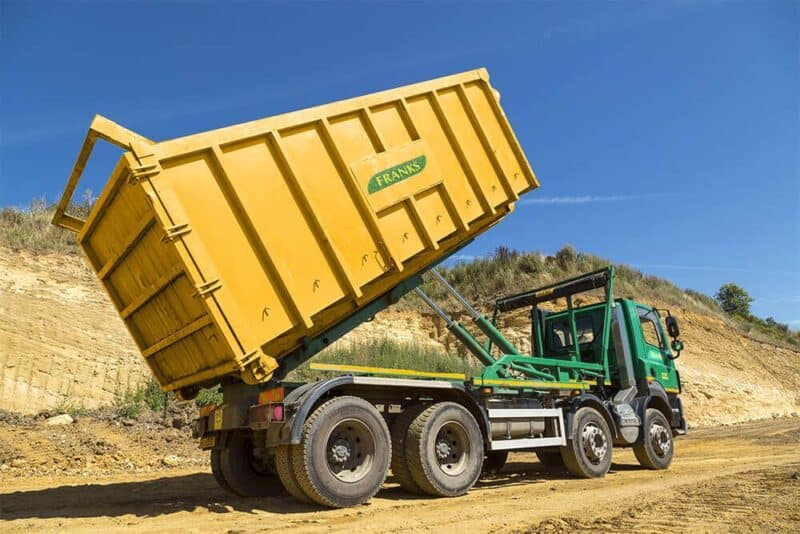
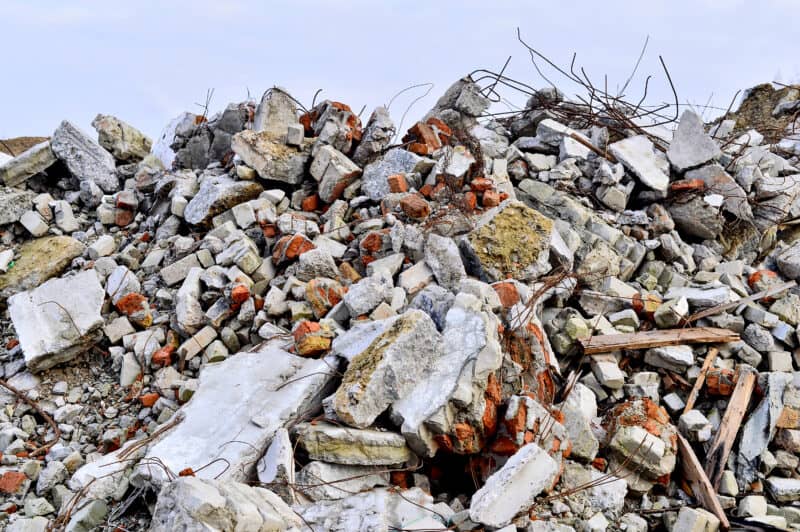
Heavy inert waste can include brick, concrete, rubble and hardcore. These dense materials can take up space quickly and may be difficult to move by hand. Where they have been gathered into an accessible pile, grab hire may provide a practical bulk collection option.
Excavated material: muck away
Excavation can produce soil, clay, stone, spoil and mixed ground material. Muck away may be suitable for larger volumes of inert and non-hazardous excavation waste, subject to waste assessment and site conditions.
Hazardous materials: specialist collection
Older homes, garages, sheds and outbuildings may contain materials requiring specialist assessment and compliant handling. This can include suspected asbestos containing materials, lead paint, paints, solvents, chemical adhesives, batteries, electrical items and contaminated soil.
Hazardous materials should not be placed in a standard skip or loaded into a grab lorry intended for general renovation waste. Specialist assessment and compliant handling may be required before collection or disposal is confirmed.
Skip Hire for Mixed Renovation Waste
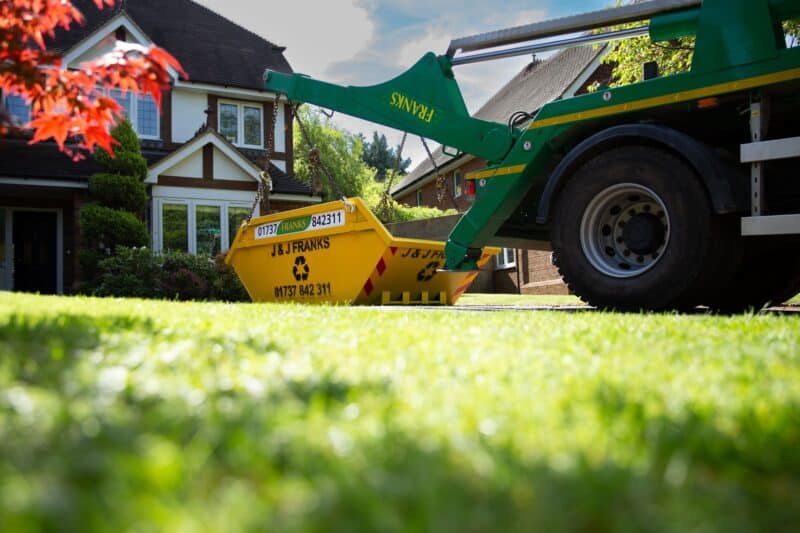
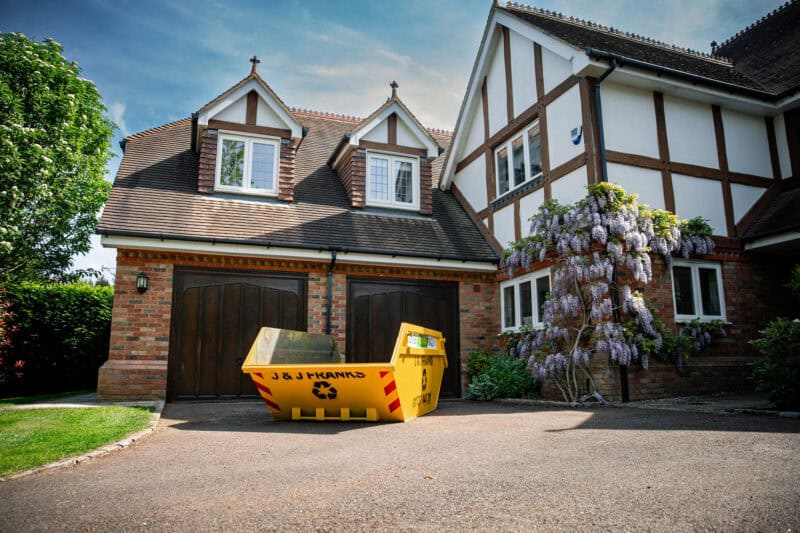
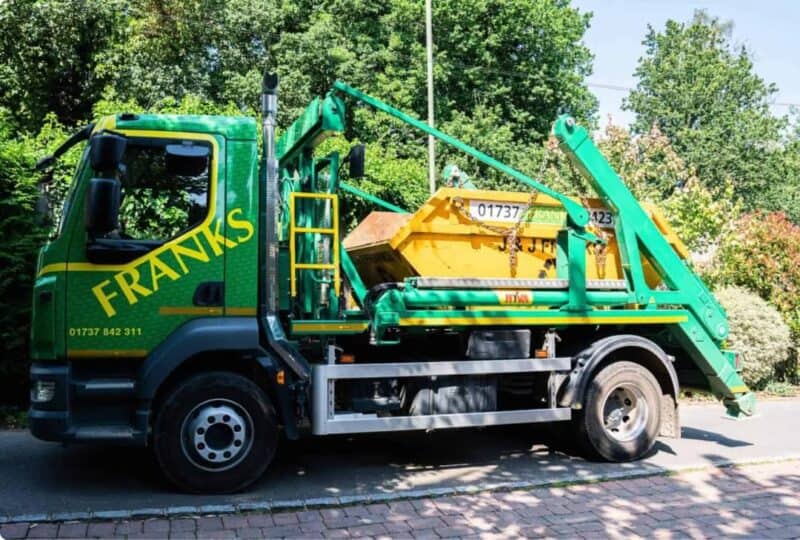
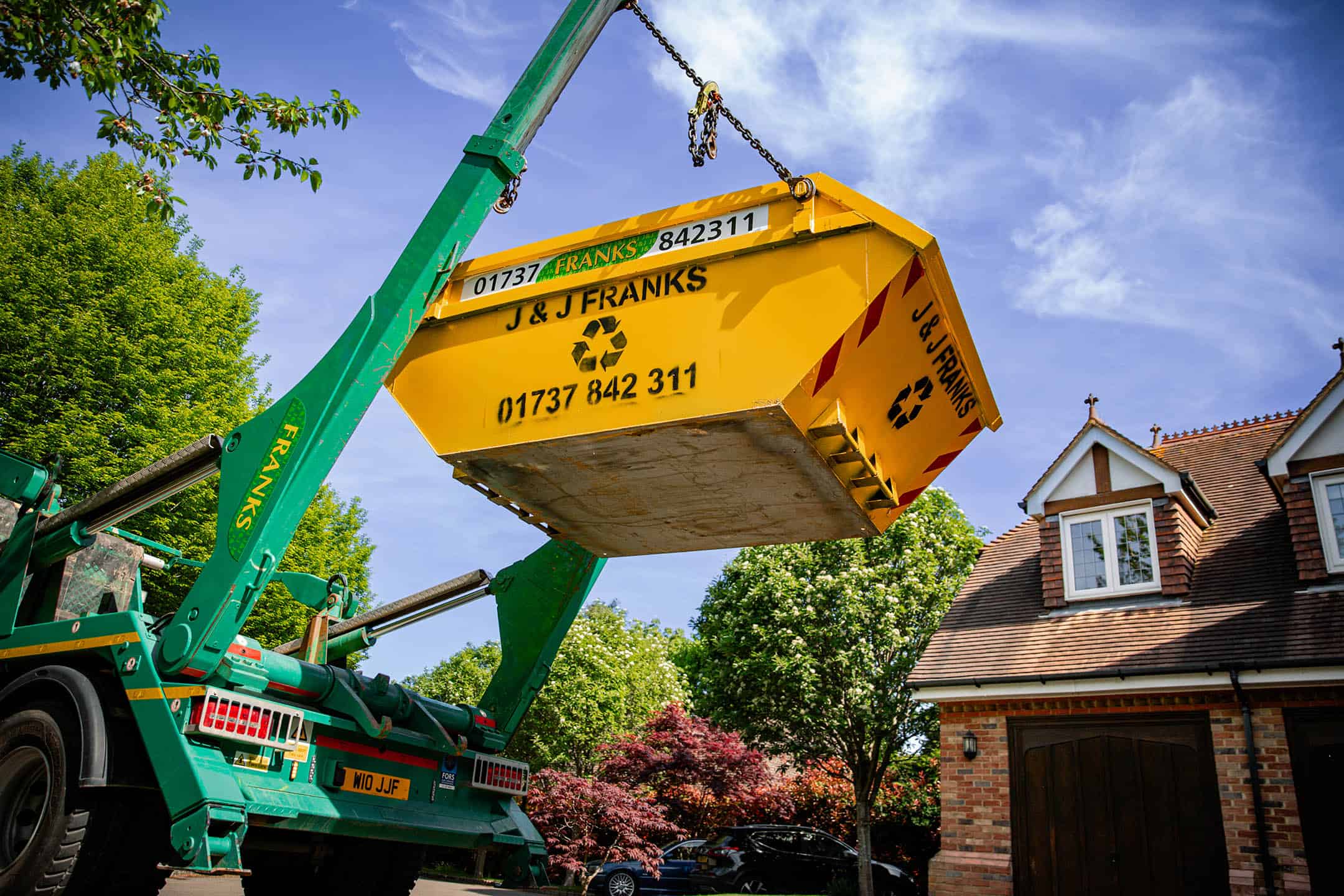
Skip hire can be a practical option for suitable mixed waste that builds up gradually during a renovation. When considering skip hire for home renovation projects in Surrey, choosing the right size will depend on the waste type, expected volume, property access and space available for delivery and collection.
2-Yard Mini Skip
Often suited to a smaller clearance or limited bathroom refit where there is a modest amount of suitable renovation waste.
6-Yard Builder’s Skip
Often considered for kitchen renovations, bathroom work and loft conversions where mixed waste is produced over several days.
8-Yard Builder’s Skip
Can be suitable for a full renovation or larger volumes of bulky materials such as old units, timber, flooring and packaging.
If a skip is placed on public land, a permit may be required. J&J Franks can advise on the process, subject to local authority requirements. Find out whether you need a skip permit before booking.
Plasterboard and Skip Waste
Plasterboard is common during renovation work, particularly when walls or ceilings are altered or kitchens and bathrooms are updated. It should be identified and kept separate from mixed waste where possible. Mixed plasterboard can incur additional disposal charges, so let the team know if it is likely to form part of the load. Waste acceptance is subject to assessment and some materials may require separate handling.
Not every material is suitable for a standard skip. Asbestos, chemicals, batteries, electrical items and contaminated materials may require specialist assessment before a collection or disposal route can be confirmed.
Grab Hire for Rubble, Brick and Hardcore
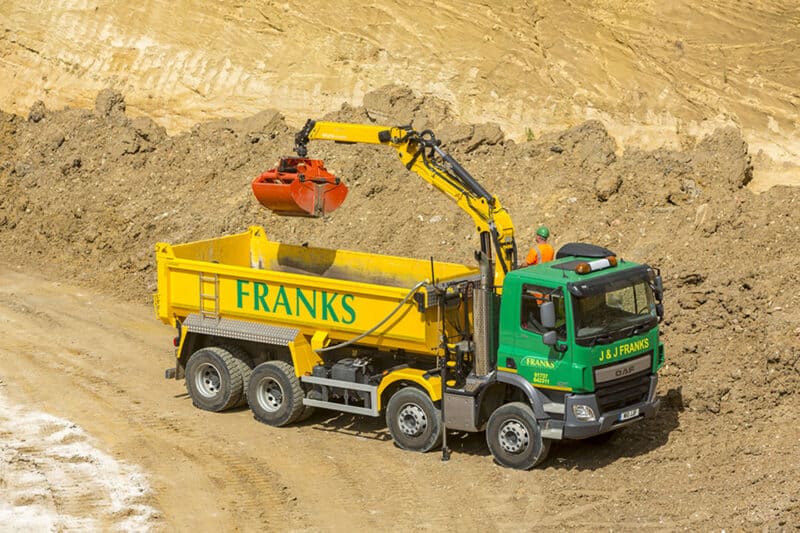
Grab hire can be useful where a renovation creates a substantial quantity of loose, heavy material in one area. It may be a practical option after demolition, structural alterations or external clearance, provided the material can be gathered into a suitable pile and the site has appropriate vehicle access.
For grab hire renovation projects in Surrey, consider whether the material can be gathered into a suitable pile and whether there is appropriate access for the vehicle. This can be useful after removing a patio, driveway, garden wall, outbuilding or other external feature.
Grab hire can be suitable for:
- Brick and rubble from demolition work
- Broken concrete from paths, patios or driveways
- Hardcore from garden clearance
- Soil and spoil from landscaping work
- Material from removed sheds, walls or outbuildings
For smaller quantities of heavy material, a skip may be more suitable, particularly where waste will build up gradually. Some projects benefit from both services, using a skip for suitable mixed waste during the renovation and grab hire for a separate pile of rubble or hardcore once external or demolition work is complete. The most suitable option depends on the waste volume, material type, vehicle access and loading arrangements. The team can advise on the right vehicle for the project.
Muck Away for Excavation and Groundworks
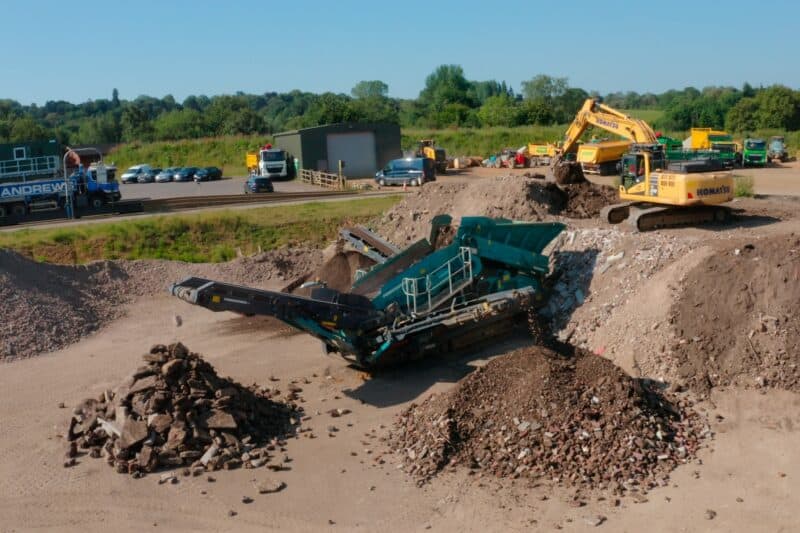
Muck away is often considered where renovation work involves excavation for foundations, drainage, driveway preparation, landscaping or garden levelling. These projects can produce larger volumes of soil, clay, stone, rubble and spoil. Where excavation creates larger volumes of material, muck away for renovation projects in Surrey can provide a practical bulk removal option, subject to waste assessment and site conditions.
Grab and tipper options can be considered based on site access, loading arrangements and material type. Documentation requirements will depend on the waste stream and service provided, so correctly identifying the material before collection helps the team consider the most suitable option.
Aggregate Supply After Excavation
Once spoil or surplus material has been removed, the next stage often involves bringing new materials onto site for groundwork, surfacing or landscaping.
J&J Franks also supply aggregates for suitable projects. This makes it easier to coordinate waste removal and material supply through one provider.
Materials such as MOT Type 1, recycled Type 1, crushed stone, sharp sand, building sand, ballast and screened topsoil may be suitable for different applications. The right material will depend on the project specification. Product availability and suitability should be confirmed before ordering.
Extension projects can create both excavation spoil and mixed construction waste at different stages of the work. For further guidance, read House Extension Essentials: How Skip Hire Can Simplify Your Project.
Hazardous Materials Found During Renovation Work
Renovation work in older properties can uncover materials that should not be treated as general waste. This is especially important in older houses, garages, sheds and outbuildings where historic building materials or stored products may be present.
Potentially hazardous materials include:
- Asbestos containing materials
- Lead paint
- Paints, solvents and chemical adhesives
- Batteries
- Electrical items and other WEEE
- Soil or materials affected by fuel, oil or chemicals
Asbestos and suspected asbestos containing materials must not be placed in a standard skip or grab lorry. The same careful approach applies to chemicals, paints, solvents, batteries, electrical items and contaminated materials. Specialist assessment and compliant handling may be required before collection or disposal is confirmed. Hazardous waste removal services can be discussed where potentially hazardous materials have been identified. Do not assume a material is non-hazardous based on its appearance.
Renovation Waste Removal Checklist
A small amount of planning before work starts can make waste removal easier to manage throughout the project.
Before booking, consider:
Waste type: Is the waste mainly mixed renovation material, heavy rubble, excavation spoil or a combination?
Removal method: Will skip hire, grab hire or muck away best suit the way the waste will be produced?
Volume: Will the material build up gradually or be ready as one larger pile?
Vehicle access: Is there suitable access for skip delivery or lorry collection?
Loading arrangements: Can loose material be gathered in an accessible area for collection?
Plasterboard: Can plasterboard be identified and kept separate from mixed waste?
Permit requirements: Will a skip need to be placed on public land?
Hazardous materials: Could asbestos, lead paint, chemicals, batteries, electrical items or contaminated soil be present?
Next-stage materials: Will aggregates, sand, ballast or topsoil be needed after clearance or excavation?
Plan Waste Removal Around the Materials on Site
A renovation can produce mixed waste, heavy rubble and excavation material at different points in the project. Matching the removal method to the material makes your site easier to manage.
Skip hire may suit suitable mixed waste produced over time. Grab hire can be considered for prepared piles of rubble, brick, concrete and hardcore. Muck away may be appropriate for larger quantities of excavation spoil.
For broader advice on keeping domestic building work organised and planning waste removal at each stage of the project, making home renovations easier offers further practical guidance for homeowners.
J&J Franks provides skip hire, grab hire, muck away and more across Surrey and West Sussex. Contact us to discuss your waste type, site access and project requirements.