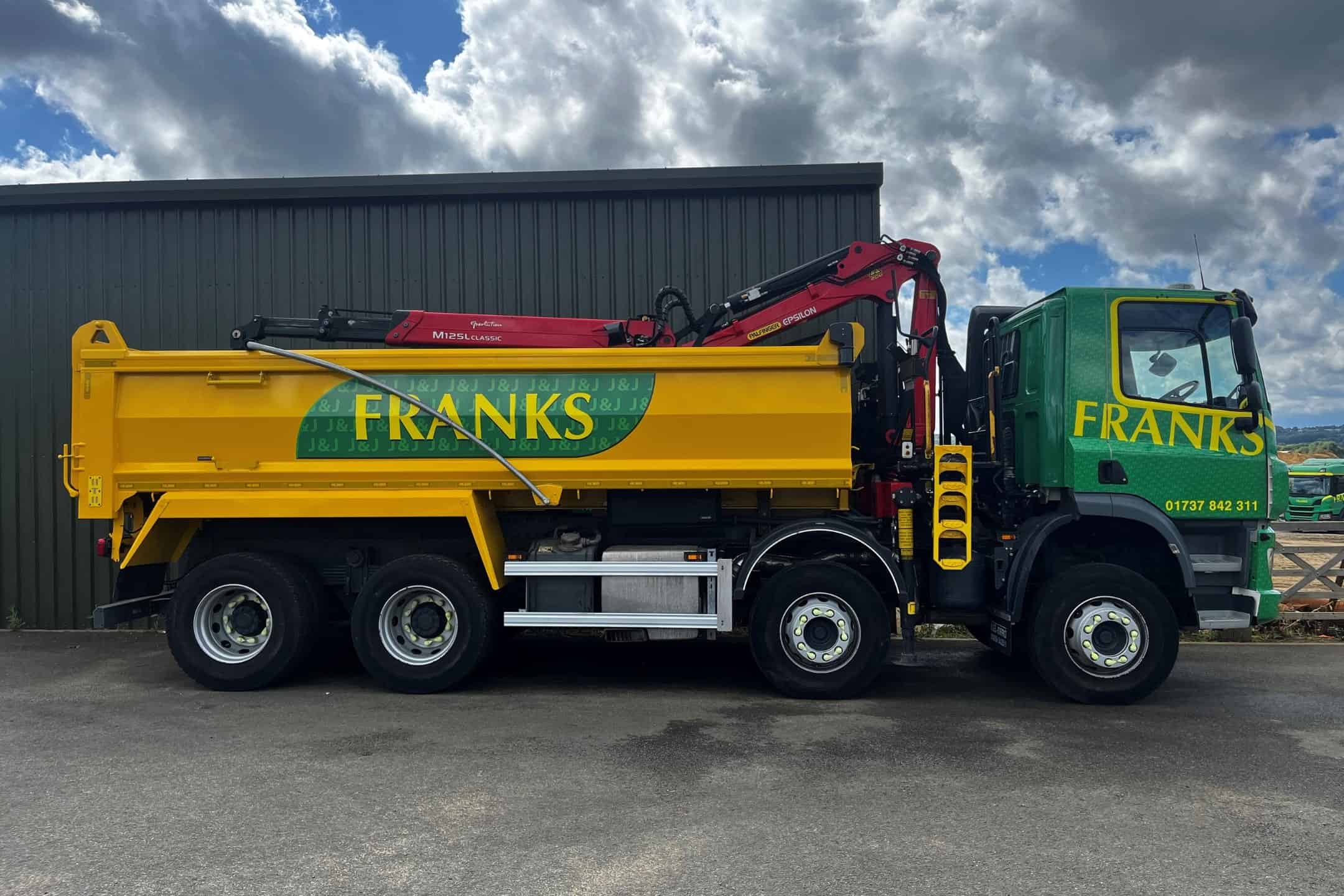
Grab hire is a popular solution for removing large volumes of waste quickly, particularly on construction, landscaping and groundwork projects. However, not all waste types are suitable for grab lorry removal. Understanding what a grab lorry can and cannot take helps avoid delays, extra charges or refused collections.
Main Waste Types for Grab Lorries
Grab lorries are designed to handle bulk materials efficiently, especially inert and non-hazardous waste. These vehicles are commonly used where waste is generated in large piles and needs removing in one or two visits rather than over several days.
Soil, Subsoil and Clay
One of the most common grab lorry materials is clean soil, subsoil and clay. These materials typically come from driveway excavations, foundation digging, drainage works and landscaping projects. Grab lorries are ideal for soil and hardcore removal, but it’s important to note that wet or heavily compacted clay is extremely dense and can reach the weight limit quickly.
Hardcore, Rubble and Concrete
Broken brick, concrete slabs, blocks and hardcore from patios, walls and driveways are well suited to grab hire. These inert materials are dense, predictable in weight and easy for the grab to lift safely.
Tarmac and Road Planings
Old tarmac and road planings removed during driveway replacements or roadworks can often go in a grab lorry. In many cases, these materials need to be kept separate from other waste streams so they can be recycled correctly.
Green Waste and Garden Clearance
Grab lorries can also be used for green waste grab jobs, such as removing branches, hedge cuttings, shrubs and turf. This type of waste must be free from soil, rubble, plastics or timber to be accepted as green waste.
Mixed Loads and Construction Waste
While grab lorries are best known for inert waste, some mixed construction waste can be removed if planned correctly and agreed with the operator beforehand.
Builders Waste from Home Projects
For domestic renovations, grab lorries can take certain mixed builders waste, such as timber offcuts, packaging, plastics and small amounts of brick or rubble. This is often used on projects like kitchen refits or garage demolitions where waste builds up quickly. Mixed loads must be described accurately at booking, as they affect disposal routes and costs.
Commercial Construction Muck Away
On larger building sites and civil engineering projects, grab lorries are widely used for muck away waste. This includes bulk spoil, hardcore, stone and selected mixed construction waste generated during groundwork, drainage and foundation works.
Limits on Mixed Waste Loads
There are limits on how much mixed waste a grab lorry can safely carry. Light materials such as timber, insulation and packaging fill the body quickly but add little weight, which can create stability issues. For this reason, some operators cap mixed loads or refuse them altogether.
Waste a Grab Lorry Usually Cannot Take
Despite their versatility, grab lorries are not suitable for all waste types. Certain materials are restricted due to safety, environmental and legal reasons.
Hazardous Waste and Chemicals
Grab lorries cannot remove hazardous waste such as asbestos, liquid paints, solvents, fuels, oils or chemical drums. These materials require specialist hazardous waste removal services and licensed handling.
Household Items and Bulky Rubbish
General household clutter such as sofas, mattresses, carpets, black bag rubbish and mixed domestic waste is usually outside the scope of standard grab hire UK services. These items are better suited to skip hire or specialist bulky waste collections.
Electrical Items, Batteries and Gas Bottles
Fridges, freezers, televisions, batteries and gas cylinders are subject to strict disposal rules under WEEE and hazardous waste regulations. These items cannot go into a grab lorry load with soil or rubble and must be disposed of through approved schemes.
Site Conditions and How Waste Must Be Presented
Even suitable grab lorry materials must be presented correctly to ensure safe and efficient loading. Poor site preparation is one of the most common reasons for delays or failed collections.
Stockpiling Waste for Easy Grab Access
Waste should be stockpiled in one clear, accessible heap within reach of the crane. Overhead cables, trees or structures can prevent safe operation of the grab arm.
Keeping Waste Free from Contamination
Clean soil or hardcore must be free from plastics, wood, metal or general rubbish. Contaminated loads may be reclassified as mixed waste, attracting higher disposal charges or being refused altogether.
Access, Safety and Reach of the Crane
The grab lorry needs enough space to park, deploy stabilisers and swing the crane safely. Narrow roads, soft ground or parked vehicles can limit access and reduce what can be safely collected.
Domestic and Trade Use Cases
Grab hire is used across a wide range of domestic and commercial projects, each with different waste profiles and requirements.
Common Domestic Jobs
Homeowners commonly use grab lorries for driveway replacements, house extensions, garden remodelling and pond installations. These projects generate large volumes of soil, clay and hardcore in a short time, making grab hire more efficient than filling multiple skips.
Typical Trade and Civil Engineering Jobs
Builders, landscapers and utility contractors rely on grab hire for roadworks, drainage runs, foundation excavations and service installations. Removing muck away waste in fewer journeys saves time and keeps sites organised.
Comparing Grab Hire and Skips
The difference between Grab vs Skip hire is that Grab hire is best for large, quick clearances where waste is generated in bulk and can be stockpiled. Skips, on the other hand, suit slower projects or locations with restricted access where a lorry cannot reach the waste.

Legal Duties and Paperwork
Waste removal by grab lorry still comes with legal responsibilities for both the operator and the customer.
Waste Carrier Licence and Duty of Care
Customers must ensure they use a licensed waste carrier and comply with their duty of care. This means checking licences and confirming that waste will be taken to authorised facilities.
Waste Transfer Notes and Classification
Every grab lorry load should be accompanied by a waste transfer note. This document records who produced the waste, what it consists of and where it will be disposed of.
Using the Right EWC Codes and Descriptions
Commercial customers must classify their waste using the correct European Waste Catalogue codes. Correct classification ensures the grab operator can tip the load at suitable facilities and prevents delays or compliance issues.
Planning Your Grab Lorry Collection
Good planning is key to avoiding problems and making the most of grab hire.
Estimating Waste Type and Quantity
Before booking, estimate how many cubic metres or grab lorry loads you need and list the waste types involved. This helps avoid overloading or the need for additional visits.
Sharing Photos and Site Details Before Booking
Sending photos and a short description of the site allows the operator to evaluate access, crane reach and waste suitability. This information helps determine whether the job is appropriate for grab hire.
Avoiding Extra Charges and Failed Collections
Clear access, honest waste descriptions and proper separation help prevent waiting time and reloading fees. Taking time to prepare ensures a smooth and cost-effective collection.
Understanding Grab Lorry Waste Types
Grab lorries are ideal for removing soil, hardcore, tarmac and correctly sorted green or builders waste, but they cannot take hazardous, electrical or unsuitable household items. Clear sorting, accurate descriptions and proper planning ensures grab lorry waste is handled safely and efficiently.
To discuss your waste type and arrange professional grab hire, contact J&J Franks today.