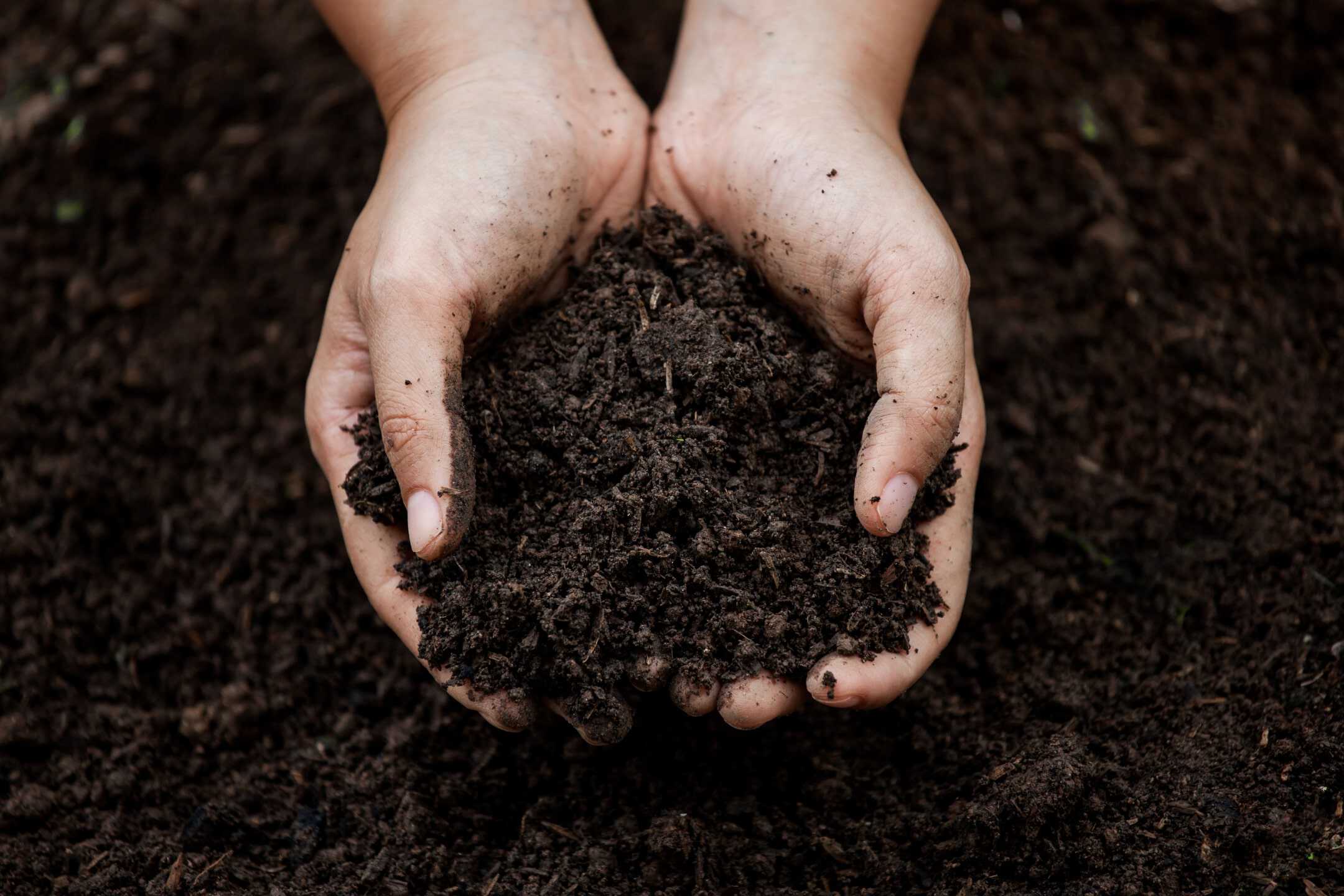
Topsoil is the foundation of many outdoor projects, whether you’re laying fresh turf or filling in uneven ground. It provides nutrients, structure and drainage, making it essential for healthy lawns and stable landscaping. However, when ordering materials, many people assume that one tonne of topsoil will cover more ground than it actually does. A tonne refers to weight, not surface area. The true coverage depends on how deep the soil is spread and how dense or moist it is at the time of delivery.
What One Tonne of Topsoil Actually Means
When discussing one tonne of topsoil, it helps to convert weight into volume. In practical terms, one tonne of dry, loose topsoil equates to roughly 0.6 to 0.7 cubic metres. This is the figure most suppliers use when calculating topsoil coverage UK projects typically require. Because topsoil is measured and laid by volume, not weight, understanding this conversion is crucial before starting any turfing or landscaping work.
Moisture levels and compaction can significantly alter how much area that tonne will cover. Wet soil weighs more but may not increase in volume proportionally, meaning it can settle further once laid. Likewise, once topsoil is spread and compacted naturally over time, the finished depth reduces. This is why coverage calculations should always allow for slight settlement after installation.
Using One Tonne of Topsoil for Turfing
Turfing is often a shallow but precision-dependent application. Healthy turf typically requires between 100 mm and 150 mm of quality topsoil to support root establishment and drainage. The correct turfing topsoil amount ensures strong growth and reduces future issues such as uneven patches or poor drainage.
At a depth of 100–150 mm, one tonne of topsoil usually covers approximately 4 to 6 square metres. At 100 mm depth, you might achieve closer to 6 m²; at 150 mm, coverage reduces to nearer 4 m². For larger lawns, this means one tonne is suitable only for small sections rather than full garden replacements. Misjudging this can lead to under-ordering and delays.
Using One Tonne of Topsoil for Landscaping
Landscaping projects vary widely in scope. The required landscaping soil quantity depends entirely on purpose. For light levelling or smoothing uneven surfaces at a shallow depth of 50 mm, one tonne may stretch further. However, for raised beds or reshaping sloped areas, far greater depths are required, reducing overall coverage significantly.
In many cases, topsoil is used to improve existing ground rather than replace it completely. Spreading a thinner layer to enhance nutrient levels or level minor imperfections may allow one tonne to cover a broader area. Yet once structural changes or raised features are involved, volumes increase rapidly and additional tonnes are usually necessary.
Using One Tonne of Topsoil for Backfilling
Backfilling is often more volume-heavy than homeowners anticipate. Whether filling behind retaining walls or levelling excavated ground, void spaces and compaction mean one tonne of topsoil is rarely sufficient for substantial backfill tasks. Soil settles over time, especially when used to fill deeper areas, meaning the finished level drops after compaction and weather exposure.
In many structural situations, using topsoil for backfilling may not be the correct material. Subsoil or aggregates are often more appropriate for stability and drainage. Topsoil is primarily suited to surface layers where planting or turfing will occur. Using it for bulk structural fill can be inefficient and more expensive than using the correct base material beneath.
Common Miscalculations Homeowners Make
Estimating soil requirements can be misleading, particularly when relying solely on weight.
Confusing Tonnes with Cubic Metres
One of the most common mistakes is confusing tonnes with cubic metres. Because coverage is based on volume, not weight, assuming that one tonne equals one cubic metre leads to significant under-ordering.
Ignoring Settlement Allowance
Many people forget that freshly laid soil settles over time. Failing to account for settlement means the finished surface may sit lower than expected. Allowing a small surplus when ordering helps avoid the need for top-ups once the soil compacts naturally.
How to Calculate the Right Amount of Topsoil
Accurate calculation prevents delays, wasted labour and unnecessary delivery costs.
Measure Area and Required Depth
Start by measuring the total surface area in square metres. Multiply that figure by the intended depth in metres (for example, 0.1 m for 100 mm). This gives the required cubic metres of soil. Converting volume to tonnes based on supplier guidance will then provide a clearer picture of how much topsoil you need.
Add Waste and Settlement Margin
Professionals typically add 5–10 percent extra to account for minor losses, uneven spreading and natural settlement. This buffer ensures you achieve the desired finish without falling short. It is particularly important for turfing, where consistent depth affects long-term lawn health.
One Tonne Is Often a Starting Point, Not a Solution
For most domestic projects, one tonne of topsoil is suitable for small turfing areas or light landscaping adjustments rather than full-scale ground preparation or structural backfill. While it may cover around 4–6 m² for turfing, deeper applications or larger gardens require considerably more material. Understanding the difference between weight and volume, factoring in settlement, and matching the material to the job ensures realistic expectations and better results.
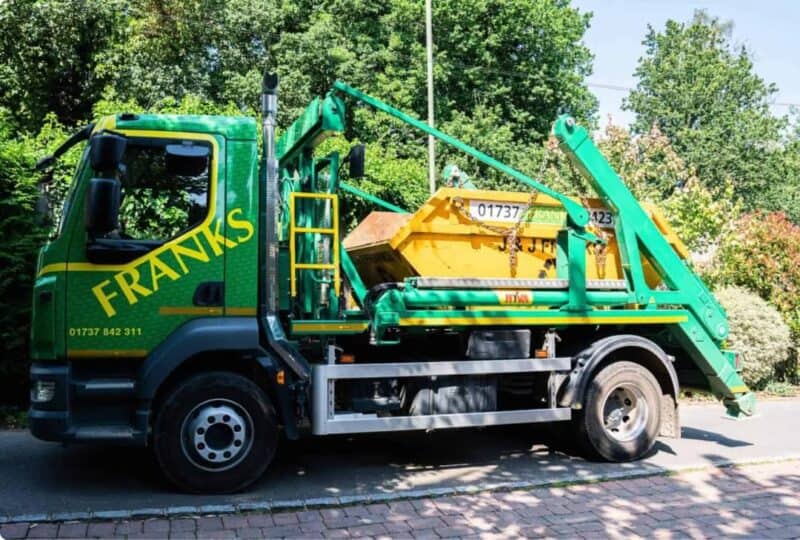
If you’re unsure how much topsoil your project requires, speak to J&J Franks about purchasing quality assured topsoil for your turfing, landscaping or backfilling needs.