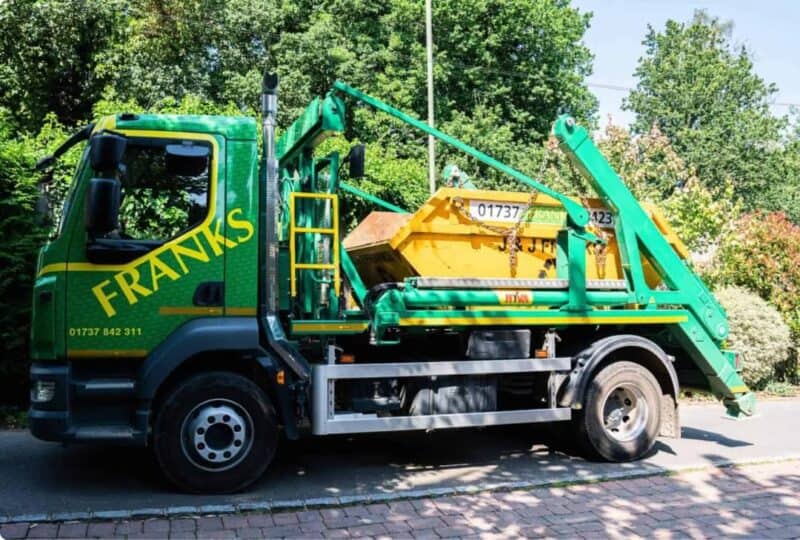
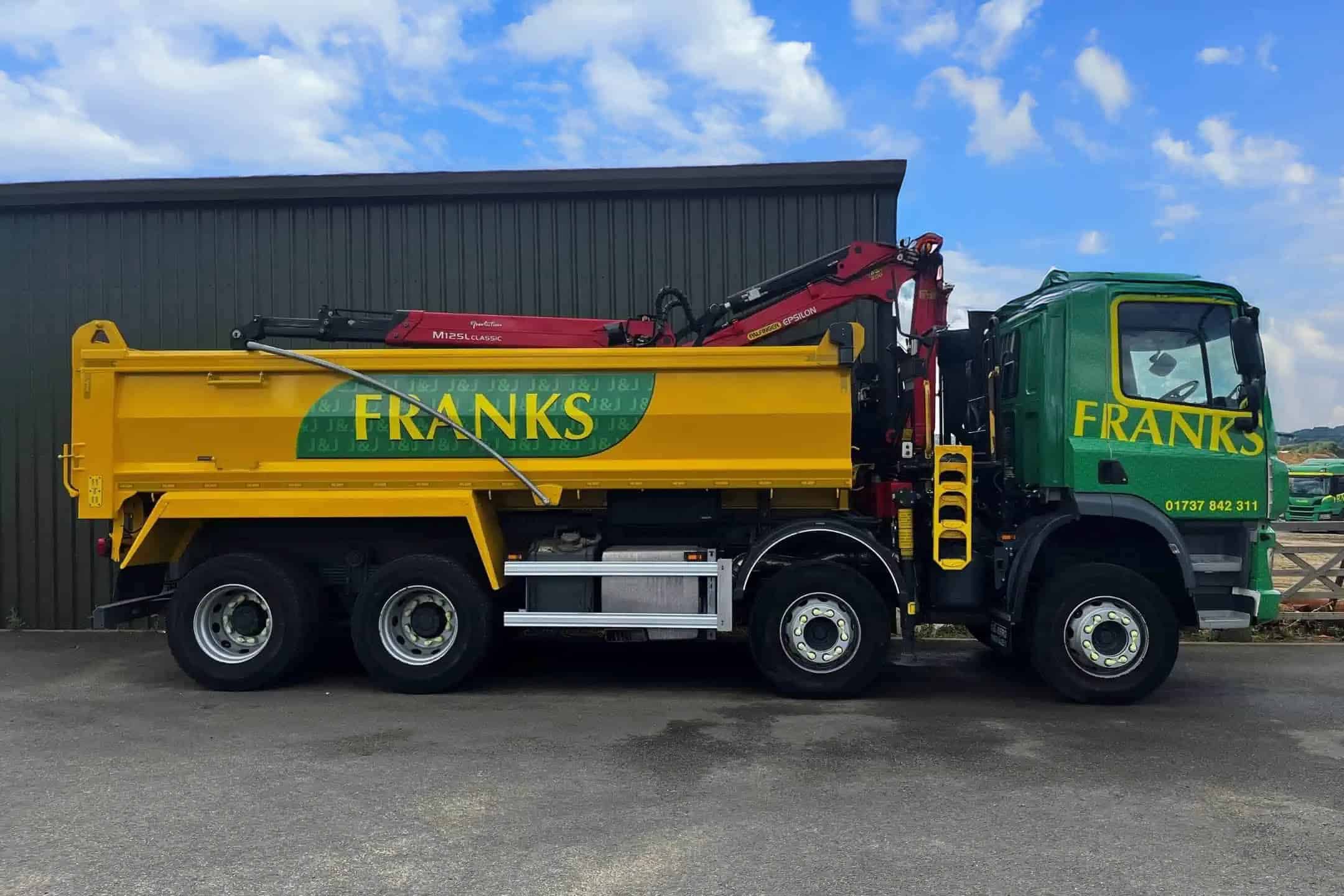
When planning waste removal for a building project, landscaping job or site clearance, one of the most common questions is how much a grab lorry can actually take in a single visit. Understanding grab lorry capacity helps you decide whether grab hire is the right option for your project and whether one load will be enough to clear the material safely and legally. Capacity depends on weight limits, volume, waste type and site conditions.
Understanding Grab Lorry Capacity
Grab lorries are designed to move large volumes of waste efficiently, but they operate within strict physical and legal limits. Knowing how these limits work helps avoid failed collections and unexpected costs.
Weight Capacity in Tonnes
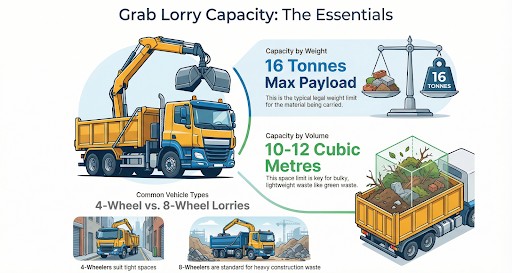
Most standard grab lorries operating on UK roads work within a maximum payload of around 16 tonnes. This figure refers to the weight of the material being carried, not the vehicle itself. The exact grab lorry weight limit depends on the vehicle specification, but operators must always stay within legal limits to remain compliant and safe.
Volume Capacity in Cubic Metres
In terms of space, a typical grab lorry offers around 10 to 12 cubic metres of volume. Grab lorry volume is particularly important when dealing with bulky but lightweight waste, such as green waste, mixed demolition debris or packaging. In these cases, the body may fill up long before the lorry reaches its maximum weight.
Different Sizes of Grab Lorry
Grab lorries come in different configurations, most commonly four-wheel and eight-wheel vehicles. Four-wheel grab lorries are smaller and suited to lighter loads or tighter access, while eight-wheel grab lorries are the most common choice for muck away grab work and heavy construction waste.
Legal Road and Axle Limits
Even if a grab lorry looks capable of taking more material, legal restrictions can determine grab lorry capacity. These rules are designed to protect infrastructure and road users.
UK Gross Vehicle Weight Rules
All grab lorries must comply with national gross vehicle weight limits set by UK road regulations. This limit includes the weight of the vehicle, fuel, driver and load combined. Once the maximum gross weight is reached, the lorry cannot legally carry any more material.
Axle Loads and Site Weight Limits
In addition to overall weight, load must be evenly distributed across the vehicle’s axles. Uneven loading can overload individual axles even if the total weight appears acceptable. Some sites, yards or domestic driveways may also have their own weight restrictions, particularly on block paving or private roads.
How Operators Stay Within the Law
Experienced operators use a combination of vehicle data plates, visual judgement and weighbridges to stay within legal limits (where needed). Professional grab hire in Surrey companies train drivers to recognise when a load is approaching the grab lorry weight limit and to stop loading before it becomes unsafe or illegal.
Factors That Change How Much a Grab Lorry Can Take
The theoretical capacity of a grab lorry is rarely the same as the practical capacity on site. Several variables influence how much material can be removed in one visit.
Type of Waste and Density
Waste type is one of the biggest factors affecting grab lorry capacity. Dense materials such as hardcore, concrete and wet clay are extremely heavy and quickly reach the lorry’s weight limit. In contrast, lighter waste like green waste, mixed soil with roots, or demolition timber may fill the body before the weight limit is reached.
Access Conditions and Load Position
Access conditions affect how the grab arm can operate. Tight spaces, uneven ground or obstacles such as walls and fences may limit how far or how high the crane can safely reach. Where waste is positioned also matters, as material piled too close to buildings or on steep slopes may need to be loaded more cautiously, which can reduce the effective load size.
Weather, Ground and Safety Conditions
Weather and ground conditions can also affect grab hire operations. Soft ground, heavy rain, snow or poor visibility may restrict where the lorry can park and how safely the crane can operate. In some cases, the driver may reduce the load size or refuse to lift material from unsafe positions.
Comparing Grab Lorries and Skips
Both grab hire and skip hire suit different types of waste removal projects. Understanding how they compare helps you choose the most suitable option.
When a Grab Lorry Takes More Than a Skip
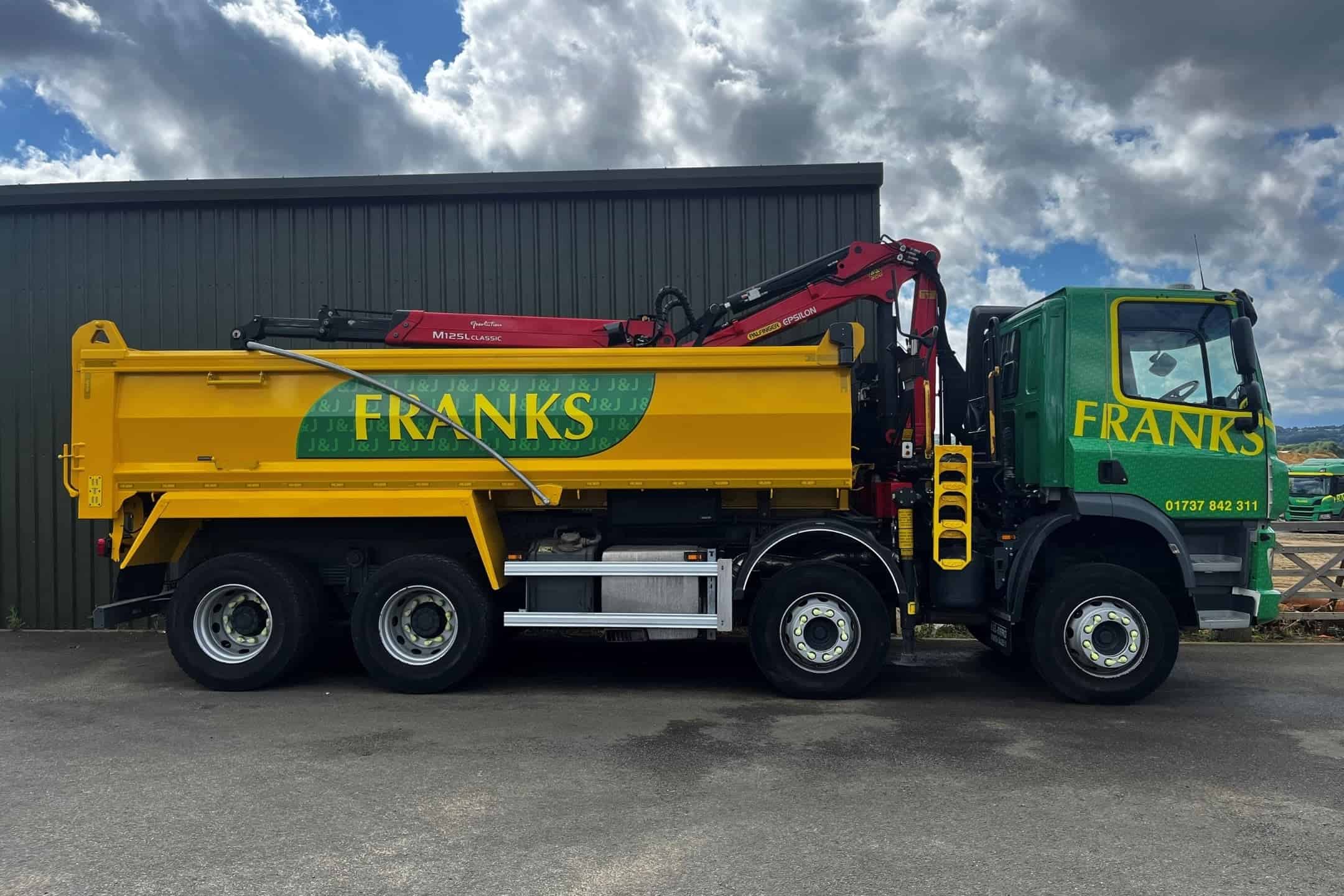
A single grab lorry visit can often remove the equivalent of two or three medium builder’s skips. This makes grab hire particularly attractive for muck away grab jobs, groundwork and large clearances where speed and volume matter.
Jobs Better Suited to Skips
Skips are useful for projects that generate waste slowly over time or where access is restricted. House renovations, loft clearances or sites where waste needs sorting over several days often suit skip hire better.
Cost and Time Compared
When comparing costs, it is important to look beyond headline prices. Grab hire is usually priced per load, while skip hire may involve delivery, collection, hire duration and permit costs. Grab hire can save time by removing all waste in one visit, reducing labour, permits and delays.
Planning Your Load and Visit
Good planning helps ensure you get the most from your grab hire and avoid wasted journeys or additional charges.
Estimating Your Waste Before Booking
A simple way to estimate waste volume is to measure the length, width and height of the pile and calculate the cubic metres. For weight, consider the material type and whether it is dry or wet. Sharing these estimates with your grab hire provider helps them advise whether one grab lorry load is likely to be enough.
Explaining Your Site to the Operator
Clear communication about site conditions is essential. Key details include access width, overhead cables, trees, parked cars and the exact location of the waste. Providing photos in advance allows the operator to plan the visit safely and choose the right vehicle.
Avoiding Overloading and Wasted Journeys
Poor estimates, hidden waste or unexpected access issues can lead to part loads or failed collections. This may result in extra charges or the need for a second visit.
Domestic and Commercial Use Cases
Grab lorries are used across a wide range of domestic and commercial projects, each with different capacity considerations.
Common Domestic Jobs for Grab Lorries
For homeowners, grab hire is ideal for driveway excavations, garden landscaping, extensions and patio removals. A single grab visit can remove soil, hardcore and green waste in one go, saving time compared to filling multiple skips.
Typical Commercial Projects
In commercial settings, grab lorries are widely used for roadworks, foundation digging, service trenches and site clearance. Builders, civil engineers and utility contractors rely on grab lorry loads to keep projects moving.
Duty of Care for Waste
Even when using grab hire, the responsibility for waste does not disappear. Customers must ensure they use licensed carriers and that waste is taken to authorised facilities. Professional grab hire companies provide documentation and operate within regulations.
Key Points on Grab Lorry Capacity
Grab lorry capacity depends on a combination of legal weight limits, body volume, waste type and site conditions. While many grab lorries can carry up to around 16 tonnes or 10 to 12 cubic metres, the actual load will vary from job to job. Careful planning and clear communication helps ensure each grab visit is used to its full, safe potential without risking fines or delays.
To find out how much a grab lorry can remove from your site and whether one visit will be enough, contact J&J Franks for expert grab hire advice.