Choosing the right waste removal method can have a big impact on project efficiency, labour costs and overall site budget. While skip hire remains a familiar choice, many contractors, landscapers and homeowners are now turning to grab hire in Surrey for a faster and often more affordable solution. A grab lorry can remove large volumes of waste in one visit, cutting down on manual labour and eliminating the need for multiple skips. For projects that involve heavy soil, hardcore or bulk loose material, grab hire can be a far more effective skip hire alternative, in terms of both cost and convenience.
How Grab Hire Works On Site
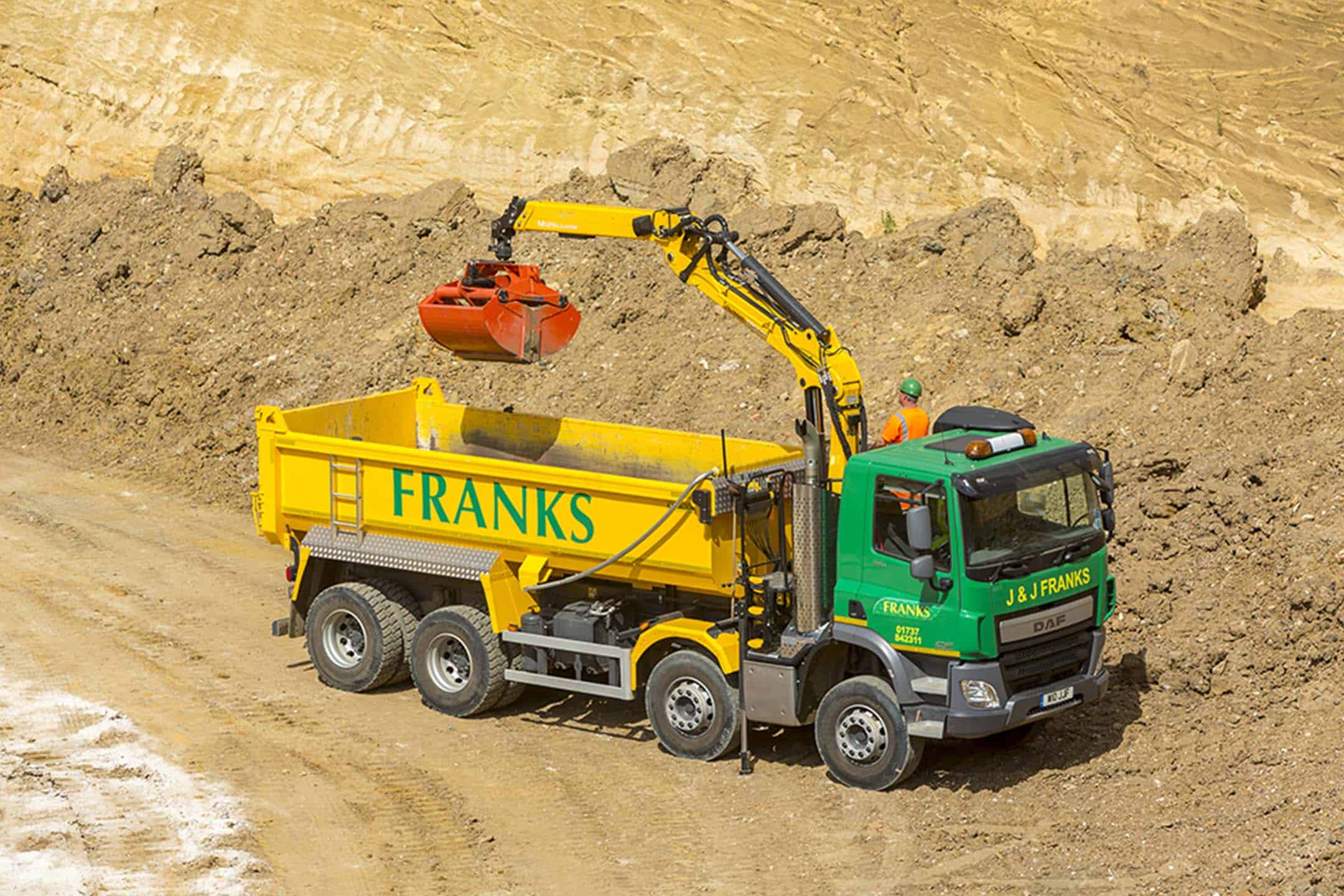
Grab hire provides a quick and practical way to clear waste directly from your site without the need for static containers. A grab truck arrives, loads the waste using its hydraulic arm and removes it immediately. This avoids the extended hire periods, repeated collections and access issues that can come with skip placement.
-
What a Grab Lorry Can Carry in One Visit
A modern grab lorry can carry around 16 tonnes of waste in a single trip, which is roughly equivalent to two large builders’ skips or even more, depending on the waste type. That means one visit can handle the same volume that might otherwise require several skip deliveries and collections. For anyone managing excavation spoil, rubble or demolition debris, this high capacity reduces on-site storage headaches.
-
How the Hydraulics Save Labour
Grab lorries are fitted with hydraulic grab buckets designed to lift soil, hardcore, loose muck and other waste straight from the ground. The operator can scoop material directly into the body of the truck without any manual loading. These hydraulics significantly reduce labour time, meaning teams aren’t spending hours filling skips by hand, and heavy or awkward materials become far easier to manage. This is especially beneficial for construction waste removal and professional muck away in Surrey.
-
Access, Reach and On-Road Loading
Another major advantage is the reach. Many grab trucks have hydraulic arms capable of stretching up to six metres, allowing them to collect waste from behind walls, over fencing or from front gardens without needing vehicles or containers placed on the property. This flexibility is particularly useful on urban or residential roads where skip delivery is difficult.
| Aspect | Grab Hire | Skip Hire | What This Means in Practice |
|---|---|---|---|
| How it works | Grab lorry arrives, uses hydraulic arm to load waste directly from the ground or pile, then leaves immediately. No container left on site. | Skip is delivered, left on site for days or weeks, manually loaded by workers, then collected when full. | Grab equals one quick visit. Skip equals a container sitting there, needing manual loading and potentially extra collections. |
| Capacity | Around 16 tonnes per load, often equal to two or three builders skips, especially for dense materials like soil and hardcore. | Common sizes are six to eight yard builders skips. Large jobs usually need multiple skips. | For heavy, bulky waste, one grab can clear what would otherwise take several skips. |
| Labour required | Hydraulic grab bucket does the lifting while the operator loads waste directly into the lorry. Minimal manual shovel work. | Workers must barrow or carry everything to the skip then throw it in by hand. | Grab reduces labour hours and fatigue, especially on muck away and demolition jobs. |
| Speed / time on site | Pile can be cleared in minutes during a single visit so waste is gone the same day. | Work can pause when the skip is full and you are waiting on an exchange. Multiple collections stretch over days. | Grab keeps the site moving and avoids downtime from no space for waste. |
Cost Comparison Between Grab Hire and Skips
While the right option depends on the project, grab hire often emerges as the more economical choice for bulky, heavy or high-volume waste. Understanding these cost differences helps ensure you’re choosing the most sensible solution.
-
Typical Skip Sizes and Volumes
A standard builders skip typically holds 6–8 cubic yards of waste. This means larger projects may require multiple skips to keep waste moving off site, especially for rubble, soil and bulky construction materials. This quickly increases site clearance costs, particularly when collections are delayed or additional skips are needed.
-
How Many Skips One Grab Load Can Replace
Because a single grab load can remove two or three builders skips’ worth of dense material, the savings add up quickly. Instead of paying for multiple deliveries, collections and potential overstays, you pay for one grab lorry load that clears everything at once. For clients comparing grab truck vs skip, this is often the point where the financial benefits become clear.
-
Day Rate, Collection Fees and Hidden Costs
Grab hire is usually charged per load, making it easy to budget in advance. With skips, however, there are additional considerations such as:
- Extended hire fees if the project overruns
- Council permits for roadside placements
By contrast, a grab lorry removes the waste immediately, reducing the possibility of extra fees and minimising downtime.
| Aspect | Grab Hire | Skip Hire | What This Means in Practice |
|---|---|---|---|
| Cost structure | Typically charged per load. You pay once to remove a big volume in one go. Fewer extras. | Priced per skip plus possible extras such as extended hire or extra collections. | For heavy, high-volume waste, grab hire generally works out cheaper overall. |
| Hidden or extra costs | Fewer surprises: no overstay fees, no roadside permit, less risk of extra visits if you plan the load well. | Risk of extra hire days, permit fees or needing additional skips if volume is under-estimated. | Skips look simple but can become expensive once delays or permits come into play. |
Time Savings and Site Efficiency
Time is money on any project. Faster waste clearance can dramatically improve workflow.
-
Single Visit Clearance Over Repeat Collections
Grab hire allows you to clear a large volume of waste in one visit. With skips, you may need multiple exchanges over several days, slowing down progress when workers run out of space to move or store debris. A grab truck clears the entire pile in minutes, keeping the site tidy, safe and operational.
-
Fewer Delays From Full Skips
Work often stalls when a skip reaches capacity and the next one hasn’t yet been delivered. This is especially common during busy seasons. Because grab hire removes everything at once, trades avoid delays and disruption.
-
Impact on Project Timelines
Quicker waste removal means groundwork, structural work and landscaping phases stay on schedule. Reducing downtime also helps lower labour expenses, plant hire costs and the risk of cascading delays across wider project milestones.
Space, Access and Permit Considerations
Not all sites have the room for a skip. In many cases, grab hire offers a simpler solution.
-
Limited On-Site Space
Small gardens, tight driveways or shared access routes can make skip placement difficult or even impossible. A grab truck only needs a safe place to stop while loading, making it ideal for confined spaces or properties with no private land available.
-
Avoiding Road Permits and Neighbour Issues
Skips placed on a road or any other public ground require a council permit and may cause inconvenience to neighbours if left out for long periods. A grab lorry usually loads and departs within an hour, meaning no permit, less impact on parking and fewer issues for surrounding residents.
-
Working on Busy Urban Streets
In dense town centres or other busy urban areas, a skip left for a week can cause disruption to traffic flow. A short visit from a grab truck reduces blockage and ensures waste is cleared without affecting surrounding properties and businesses.
Environmental and Compliance Factors
Both environmental responsibility and legal compliance are important in modern waste management.
-
Fewer Vehicle Movements for the Same Waste Volume
One grab visit can remove the same amount of waste as multiple skip deliveries and collections. This reduces CO₂ emissions and minimises the number of heavy vehicles travelling through residential areas.
-
Segregation of Clean Muck and Mixed Waste
Grab hire can be especially cost-effective when waste is separated. Clean soil and hardcore often go to recycling centres at a lower rate than mixed waste. Keeping these materials separate during collection helps reduce landfill and lowers tipping costs.
-
Working With Licensed Waste Carriers
Using a licensed grab operator ensures your waste is handled legally, with full duty of care documentation and disposal at approved facilities. This protects you from fines and ensures your site meets relevant compliance standards.
When Skip Hire Still Makes Sense
Although grab hire offers many advantages, skip hire still has its place.
-
Long-Running Projects With Steady Waste Output
For jobs producing small amounts of waste each day, such as long refurbishments or multi-room clearances, having a skip on site remains practical.
-
Tight Access Where a Truck Cannot Reach
Some locations (such as narrow lanes, height-restricted areas or properties without safe stopping zones) may not allow grab truck access. In these cases, skips are utilised.
-
Light Mixed Waste and House Clearances
For softer waste types like furniture, toys or general household clutter, a skip can be easier for homeowners to load over a longer timeframe than arranging a grab for loose materials.