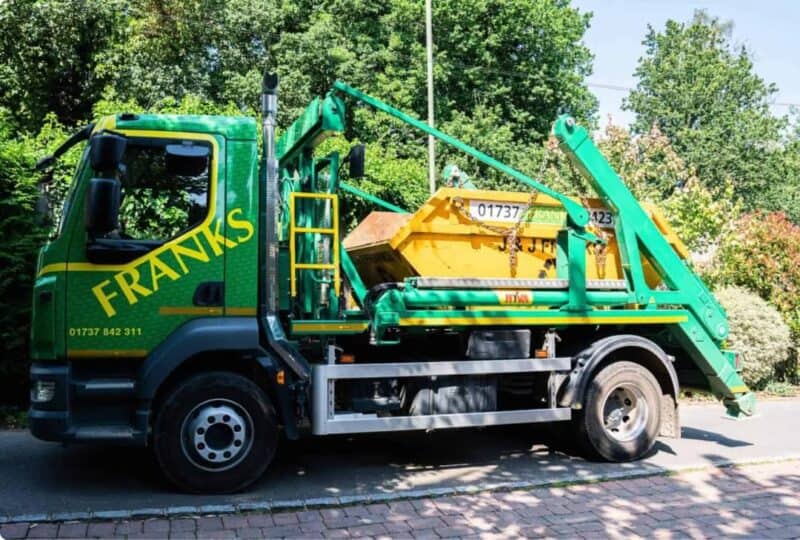

Particularly for construction, landscaping and groundwork projects, grab hire is an efficient way to remove large volumes of waste. One of the most common questions people ask before booking is whether a grab hire permit is required, particularly when the lorry needs to operate close to a public road. The answer is not always straightforward, as grab lorries follow different rules to skips and are governed by highway regulations rather than a single permit system.
Understanding Permits For Grab Lorries
Grab lorry permits work very differently from skip permits, which often leads to confusion. Unlike skips, grab lorries are mobile vehicles that usually load and leave within a short period, meaning they are treated differently under highway rules.
How Grab Hire Differs From Skip Hire
Skip hire typically involves leaving a container on the road or pavement for several days, which almost always requires a skip permit from the local council. Grab hire, by contrast, involves a lorry arriving, loading waste and departing, often within 30 to 60 minutes. Because the vehicle does not remain in place, councils do not usually apply the same permit rules, which is why a permit is often not required.
When A Permit Is Not Required
In most cases, a permit is not needed when the grab lorry can work entirely from private land. This includes driveways, building sites or yards where the vehicle can park safely without obstructing the public highway. As long as the lorry does not block the road or pavement, councils generally do not require specific permission.
When A Permit May Still Be Needed
There are situations where a grab hire permit or additional approval may still be required. If the lorry must stand in the road for an extended period, block a traffic lane or operate in a way that affects road safety, the council or highways authority may require permission. In these cases, traffic management approval or a temporary highway permit may be needed.
Public Road Rules For Grab Lorries
Even when no formal permit is required, grab lorries must still comply with public road regulations. Councils retain the power to act if a vehicle causes obstruction or breaches parking rules.
Parking Restrictions And Waiting Limits
Grab lorries must obey local parking restrictions, including double yellow lines, loading bans and time-limited bays. A grab lorry on the road does not automatically gain exemption from parking rules simply because it is loading waste. Parking wardens can still issue tickets if the vehicle contravenes restrictions.
Working From The Road To Reach Waste
In many cases, waste sits inside a property boundary but can only be reached by working from the road. When this happens, the operator must keep traffic flowing and ensure pedestrians are protected. Cones and warning signage may be used to manage safety, particularly on narrow roads.
Extra Rules In Busy Urban Areas
Busy town centres and urban areas often have tighter controls on loading and unloading. Time windows, designated loading bays and restrictions during peak hours are common. Contractors frequently agree working times with the council in advance to avoid enforcement action.
Private Land And Site Access
Working on private land significantly reduces the likelihood of needing a grab hire permit, but it does not remove all responsibility from the customer or contractor.
Using Grab Lorries On Driveways And Yards
When a grab lorry operates on a private driveway, yard or construction site, highway permits are usually not required. However, the customer remains responsible for providing safe access and ensuring the ground can support the weight of the vehicle.
Shared Access And Neighbour Consent
Shared driveways and communal car parks introduce additional considerations. Even though these areas are not public highways, permission from neighbours, landlords or managing agents may be required before a heavy vehicle enters and operates.
Protecting Surfaces And Underground Services
Grab lorries are heavy vehicles. Repeated loading movements can mark or crack weaker surfaces. Underground services such as drains and shallow utilities can also be affected. Using protective boards or choosing an alternative parking position can reduce the risk of damage and avoid costly repairs.
When Councils Or Highways Ask For Permission
Certain grab hire scenarios go beyond standard loading activity and trigger the need for formal permission or traffic management approval.
Road Closures And Lane Restrictions
If a grab lorry operation requires closing a road, restricting lanes or installing temporary traffic lights, approval from the highways authority is needed. This involves submitting a traffic management plan that sets out how vehicles and pedestrians will be managed safely.
Parking Bay Suspensions
In controlled parking zones, grab lorries may need to use resident or pay-and-display bays. In these cases, a parking bay suspension may be required before the visit. This is usually arranged through the council and must be booked in advance.
Working Near Utilities And Street Furniture
Operations near manholes, utility covers, bus stops or pedestrian crossings often come with extra rules. Councils may request method statements or impose conditions to protect infrastructure and public safety.
Legal Duties For Homeowners And Contractors
Permit requirements do not replace the legal responsibilities associated with waste removal. Both homeowners and contractors have obligations that must be met regardless of where the lorry operates.
Anyone ordering grab hire has a duty of care to ensure waste is handled legally. This includes using a licensed waste carrier and ensuring waste is taken to an authorised facility. The absence of a grab hire permit does not remove this responsibility.
Customers should always check that the grab hire company holds a valid waste carrier licence and adequate public liability insurance. This protects against liability if damage occurs to property, roads or third parties.
Written confirmation of bookings, access arrangements and any council approvals should be retained. Emails, booking forms and permit confirmations provide evidence that the work was carried out in line with regulations.
Planning Your Grab Hire Visit
Good planning is the most effective way to avoid permit issues, delays or enforcement problems during grab hire.
Providing Accurate Site And Road Information
Customers should provide clear details about access width, parking controls, nearby junctions, bus routes and school zones. This allows the operator to assess whether any additional permissions or safety measures are required in advance.
Managing Waste Piles So They Stay Off The Road
Waste should be stockpiled within the property boundary wherever possible. Keeping material off the pavement and carriageway reduces the risk of obstruction.
Coordinating With Neighbours And Other Trades
Simple steps such as arranging for cars to be moved, notifying neighbours and coordinating deliveries can make a significant difference. Reducing congestion and disruption lowers the risk of complaints or council involvement.
Key Points On Grab Hire Permits
In most cases, grab hire carried out on private land does not require a formal grab hire permit, unlike skip hire where permits are common. However, parking rules, traffic safety requirements and council powers still apply when a grab lorry operates from the road. Clear communication with your grab hire provider, accurate site information and forward planning are essential to ensure a smooth collection.
For professional grab hire with expert guidance, contact J&J Franks and let our team manage your waste removal safely and compliantly.