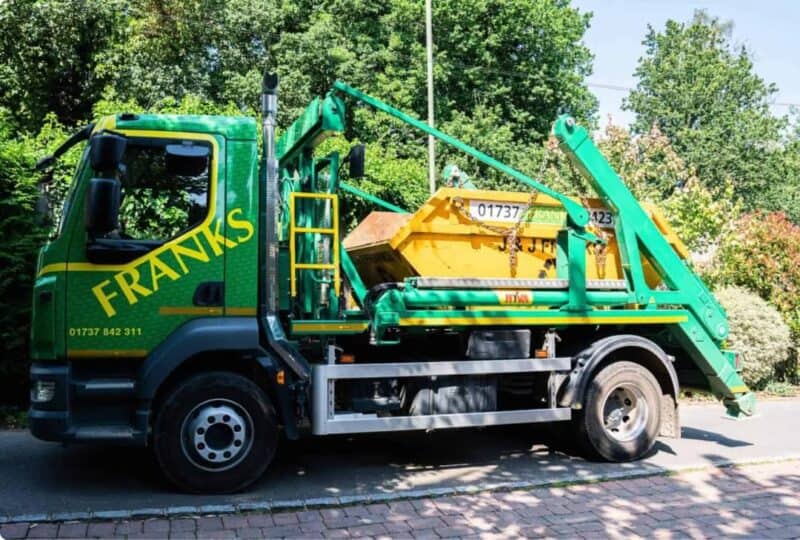
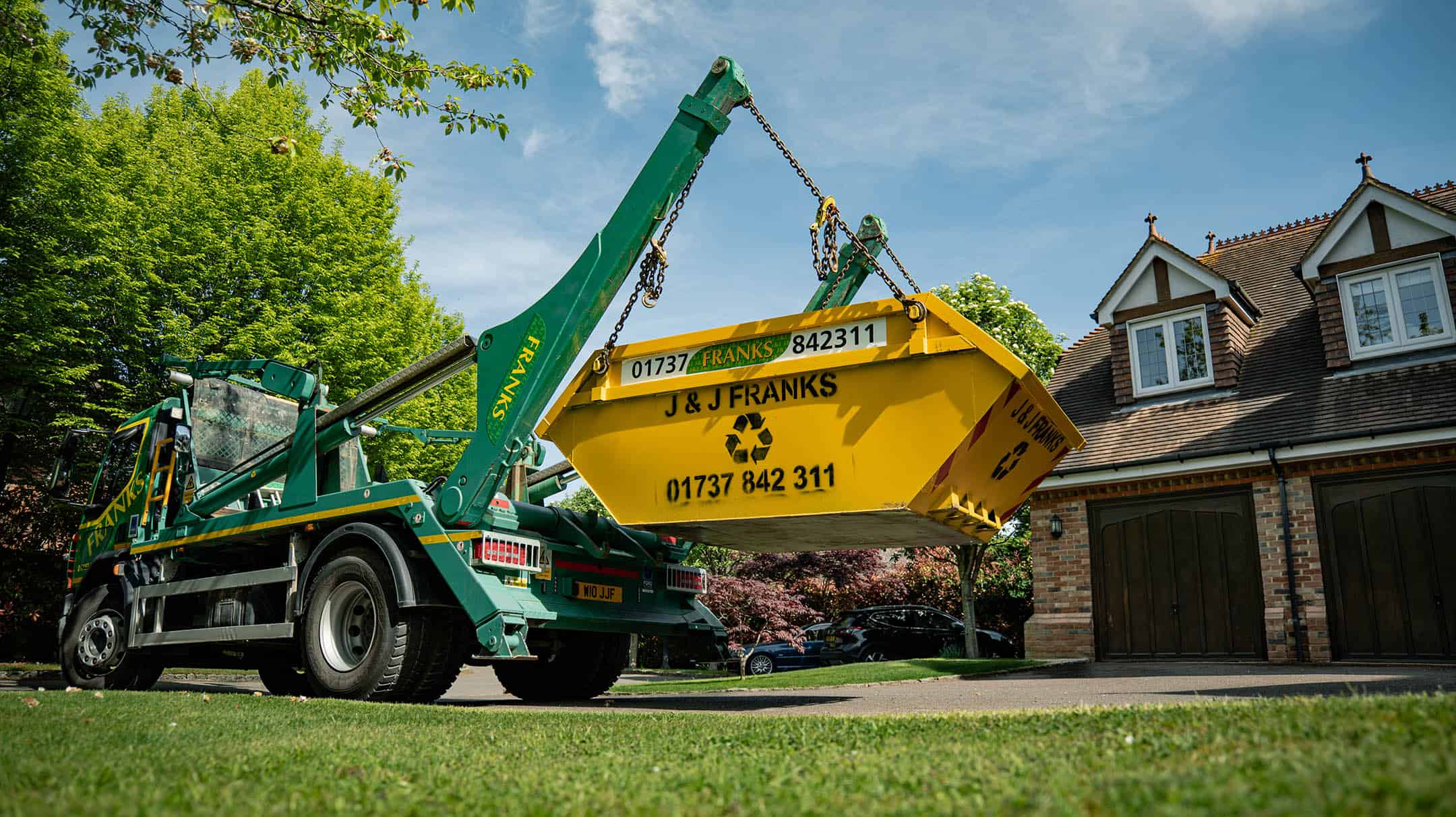
Arranging a skip no longer needs site visits, paperwork or time-consuming phone calls during working hours. With modern booking systems and clear communication, most customers can organise skip hire entirely remotely; whether for a home project, a building site or a managed property.
How Remote Skip Booking Works
Remote skip booking has become the norm across UK skip hire, allowing customers to arrange delivery and collection without meeting a representative in person. As long as the right details are provided, the entire process can be handled efficiently online.
Booking Online Through a Skip Hire Website
Most skip hire companies allow customers to book a skip online using a simple form. You can choose the skip size, delivery and collection dates, and confirm the placement location without leaving home. Payment is usually taken in advance through a secure checkout, and confirmation is sent by email, removing the need for paperwork or in-person visits. This makes remote skip booking both fast and convenient.
Booking by Phone or Email
For customers who prefer direct contact, phone skip booking or email booking remains a popular option. A quick call or message allows you to provide the address, waste type and placement details, and the company will confirm availability and pricing. Receipts, booking confirmations and hire terms are typically sent electronically.
Using Photos and Site Plans to Explain Access
Photos are extremely helpful when booking a skip remotely. Sending images of the driveway, access road, gates or surrounding area allows the skip hire company to assess whether the delivery lorry can reach safely. In more complex situations, a simple sketch or site plan can help identify obstacles.
Do I Need to Be at Home When the Skip Arrives?
One of the biggest concerns with remote booking is whether someone must be present on delivery or collection day. In many cases, this is not required, provided clear instructions are given.
When You Can Book and Stay Away
If the skip is being placed on private land such as a driveway or yard, and access is clear, the driver can usually deliver and collect the skip without anyone present. Written instructions explaining exactly where the skip should go allow the driver to position it correctly. Many UK skip hire deliveries and collections take place while customers are away from the property.
When Someone Should Be on Site
There are situations where it is better to have someone present. Tight access, shared driveways, locked gates or residential parking bays may require a person on site to move vehicles or provide access. In these cases, remote skip booking is still possible, but arrangements should be made to ensure someone can assist with the delivery.
Giving Clear Placement Instructions in Advance
Clear placement instructions are essential when booking remotely. Notes such as “front drive, left-hand side near garage” or “inside site entrance, next to fence” reduce confusion and help avoid blocking neighbours or access routes.
Permits and Legal Checks for Remote Bookings
Skip permits are one of the most important legal considerations when arranging skip hire remotely. Knowing who is responsible for the permit and when it is needed avoids fines and enforcement issues.
Deciding if the Skip Is on Private Land or the Road
A skip placed entirely on private land, such as a driveway or construction site, does not usually require a permit. However, if any part of the skip sits on a public road, pavement or verge, a skip permit is required.
How Skip Permits Are Arranged with the Council
Many skip hire companies, including J&J Franks, apply for the skip permit on the customer’s behalf as part of the booking. The permit fee is added to the hire cost, and the paperwork is handled remotely with the local council.
Checking Who Is Responsible for the Permit
It is important to confirm in writing whether the skip hire company or the customer is responsible for arranging the skip permit. Misunderstandings can lead to fines if a skip is placed on the road without approval.
Paying for a Skip Remotely
Payment is a key part of remote skip booking. Most companies offer several secure options to suit different customers.
Common Payment Options for Remote Bookings
Payment is typically made before delivery and can usually be completed online by card or by bank transfer. Secure payment pages are standard across reputable providers, making it easy to pay on a mobile, tablet or PC.
Moving Dates, Refunds and Extra Charges
Life and projects change, so it is important to understand how date changes, cancellations and refunds are handled. Some companies charge for wasted journeys or late cancellations, while others allow changes with notice. Reading the terms and conditions before confirming your remote skip booking helps avoid unexpected charges.
Example: Skip Hire in Horley
For example, if you are arranging skip hire in Horley while managing a project remotely, the booking and payment process is usually straightforward. You select the skip size online, choose a delivery date, and pay in advance by card through a secure payment page.
If your project timeline changes, many Horley skip hire providers allow you to move the delivery date with reasonable notice, though late cancellations or failed deliveries may incur a wasted journey charge. Checking the provider’s cancellation and refund policy before confirming the booking helps ensure there are no surprises if plans change.
Choosing the Right Skip Size Without a Site Visit
Selecting the correct skip size is possible without a visit, as long as the right information is shared during booking.
Matching Skip Size to the Job
Different projects suit different skip sizes. A small garden tidy or bathroom clearance may only need a mini or midi skip, while a kitchen refit or house move often requires a builder’s skip. Larger clearances or commercial jobs may need bigger skips. Describing your project clearly helps the hire company recommend the right size.
Using Photos and Waste Lists to Help the Firm Advise You
Photos of the waste pile and a simple list of items to be disposed of are useful to provide. This information allows the company to judge volume and weight and decide whether a mixed waste or inert skip is required.
When a Company Might Still Suggest a Site Visit
In rare cases, a site visit may still be needed. Complex commercial sites, restricted access locations or unusual waste types may require an in-person assessment before confirming the booking.
Access and Safety Issues on Remote Bookings
Access and safety are critical considerations when arranging skip hire without a site visit. Providing accurate information helps avoid issues.
Driveway Width, Low Wires and Tight Roads
Skip lorries require adequate road width and height clearance. Overhanging wires, low branches or narrow streets can prevent safe access. If the driver cannot reach the drop-off point due to restricted access, a failed delivery charge may apply, so these details should be shared during booking.
Ground Conditions and Weight Limits
Skips are heavy, especially when loaded. Soft ground, block paving or grass can be damaged under the weight. Customers can use wooden boards to spread the load or choose a stronger surface for placement.
What Happens if the Driver Cannot Place the Skip Safely
If the driver decides that it is unsafe to place the skip, they may refuse to drop it. This decision is made to ensure the safety of people, property and vehicles. Even if no skip is delivered, the journey may still be chargeable, which is why accurate access information is crucial when booking remotely.
Remote Skip Booking for Businesses and Landlords
Remote skip booking is especially useful for organisations managing multiple properties or sites.
Managing Skips on Several Sites
Landlords, agents and contractors can book skips for multiple addresses from one office. All confirmations, invoices and records are sent electronically, making it easier to manage several jobs at once.
Keeping Records for Duty of Care
Businesses have a legal duty of care for their waste. Keeping copies of invoices, waste carrier licence details and booking confirmations provides evidence of compliant waste handling.
Pros and Cons of Booking a Skip Remotely
While remote skip booking offers many advantages, it is important to consider its drawbacks.
Main Benefits: Convenience, Speed and Simple Admin
The biggest benefits are convenience and speed. You can book a skip online or by phone from anywhere, avoiding site visits and keeping all paperwork digitally.
Common Problems and How to Avoid Them
Problems usually arise from unclear information, such as incorrect skip size, poor access or missing permits. Providing accurate details, photos and clear instructions at the booking stage prevents most issues associated with remote bookings.
When a Face-to-Face Visit Still Helps
A site visit may still be helpful for narrow lanes, steep drives or major construction projects. In these cases, an in-person assessment can prevent costly mistakes.
Simple Steps to Book a Skip Remotely
Booking a skip remotely is straightforward when you follow key steps. Choose a reputable UK skip hire company, provide clear access and placement details, confirm who is responsible for any skip permit, select the correct size, and keep written confirmation of the booking. With the right preparation, remote skip booking is compliant and hassle-free.
To get started, contact J&J Franks to arrange your skip remotely with confidence and clear guidance.