Fly tipping is not just a problem for councils and landowners. In the UK, individuals and businesses can face a fly tipping fine even when they did not dump the waste themselves. If your waste is traced back to you, the law may still hold you responsible under waste duty of care rules. This often surprises people and causes real financial and legal stress, particularly when waste is handed to someone else in good faith and later ends up dumped illegally.
Understanding Fly Tipping Liability in the UK
Fly tipping laws focus on responsibility, not just behaviour. The key issue is whether you took reasonable steps to dispose of your waste correctly. Enforcement bodies look closely at who produced the waste and what checks were made before it was handed over, rather than only at who physically dumped it.
What Fly Tipping Means in Law
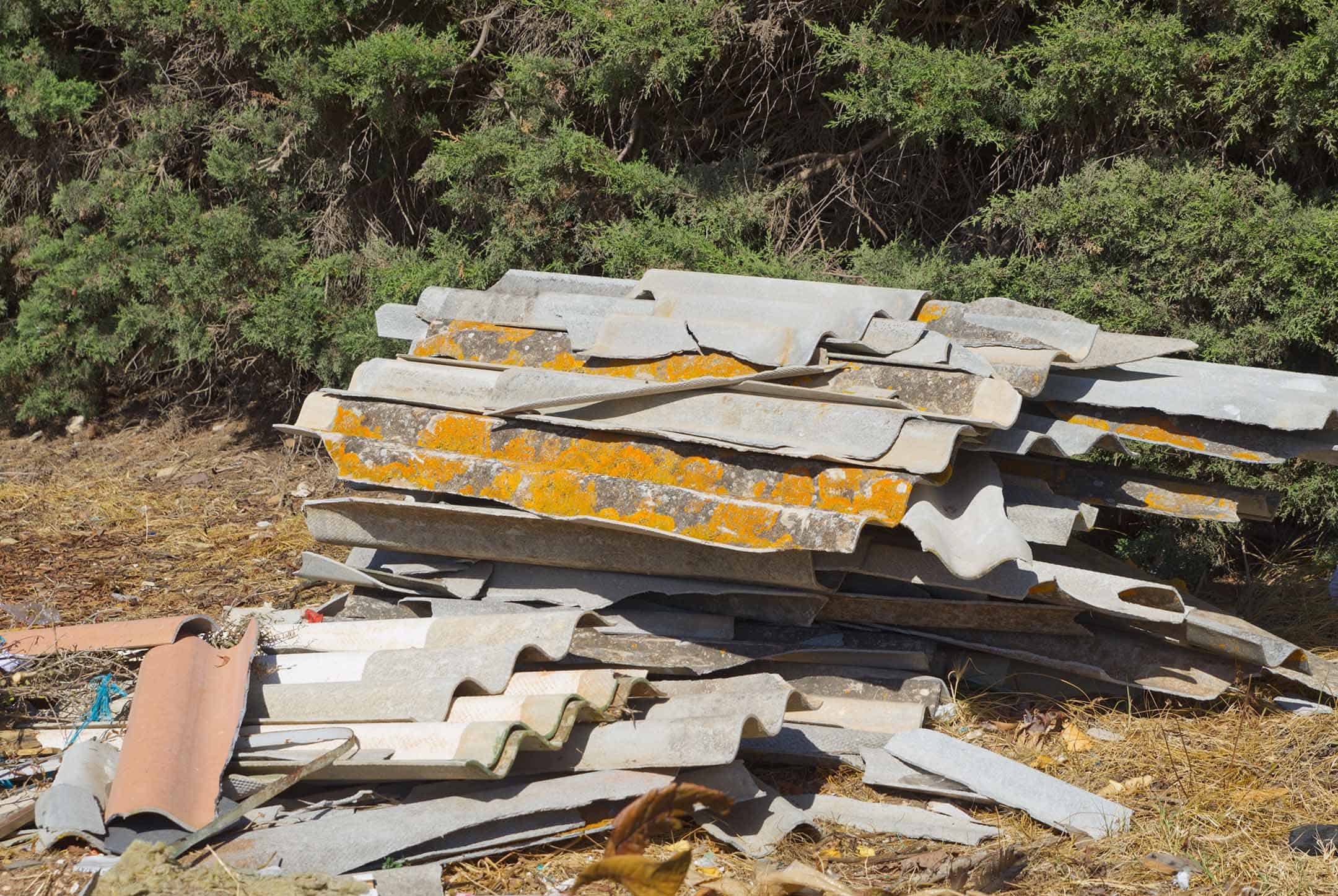
Fly tipping is the illegal disposal of waste on land without permission, covering everything from household items and garden rubbish to construction and commercial waste. It applies whether waste is dumped in a rural lay-by, a farmer’s field, a public footpath or a alley, and under UK skip regulations and environmental law it is treated as a serious offence due to its environmental impact and clean-up costs. Importantly, fly tipping is not limited to just large-scale dumping because even small amounts of waste count as illegal waste disposal.
Why Waste Can Be Traced Back to You
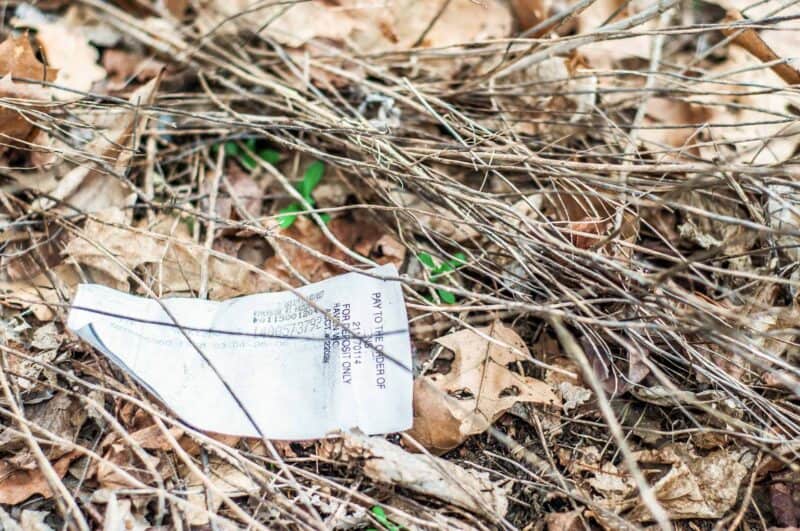
Councils and enforcement teams routinely investigate fly tipping by examining dumped waste for names, addresses or other identifying documents, with items such as letters, packaging labels, delivery notes and invoices often enough to trace the waste back to its original owner. Even if someone else was paid to remove the waste, any identifiable paperwork can still lead back to you and trigger a fly tipping liability UK authorities take seriously.
Your Duty of Care for Waste
UK law places a legal duty of care on anyone who produces waste. This applies to households, landlords, tradespeople, and businesses. You must ensure your waste is passed to an authorised person and disposed of at a licensed facility. This includes checking waste carrier responsibility, confirming licences, and understanding where your waste will go. Handing waste over to someone else does not end your responsibility.
Households have a lighter burden than businesses, but they are still not exempt. If you use an unlicensed carrier and your waste is fly tipped, you may still face penalties. Businesses face stricter obligations, including keeping formal records and waste transfer notes. Failure to do so can result in higher fines, enforcement notices, and even prosecution for repeated or serious breaches.
When You Can Be Fined
A fly tipping fine depends on both the evidence and the behaviour of the person responsible. Simply stating that you did not dump the waste yourself is not always enough to avoid penalties. If enforcement officers can show that you failed to take reasonable steps to dispose of it properly, liability can still rest with you under UK law.
The risks increase if you pay an unlicensed person to remove your waste and they fly tip it, as waste duty of care rules require basic checks before handing waste over. For businesses, the position is even stricter, with a legal requirement to keep waste transfer notes and disposal records. Without clear proof, enforcement teams may assume negligence, increasing the likelihood of fines, legal action or reputational damage.
How to Protect Yourself
Most fly tipping fines are avoidable with simple checks and good record keeping. Taking responsibility at the point of disposal is the most effective protection. Always verify that the carrier is registered with the Environment Agency, as a quick online check takes minutes and can prevent serious consequences later.
Receipts, invoices and waste transfer notes show you acted responsibly and complied with waste carrier responsibility requirements. If your waste is later found dumped, these documents help demonstrate that you took reasonable steps to dispose of it correctly. Also, be cautious of cheap, cash-only offers, which often mask illegal disposal practices. If a price seems far lower than professional services, it usually indicates corners are being cut, increasing the risk of fly tipping liability UK authorities actively pursue.
What to Do If Your Waste Is Fly Tipped
Contact the council as soon as you become aware that your waste has been fly tipped. Early reporting shows cooperation and transparency. Councils are more likely to work with individuals who report issues promptly rather than those who wait until contacted.
Keep all messages, receipts, invoices, and contact details relating to the waste removal. Being able to show who collected the waste, when it was taken, and what checks you made can help demonstrate compliance with your waste duty of care.
Responsibility Does Not End When Waste Leaves Your Property
Yes, you can be fined for someone else fly tipping your waste. The law is clear and places responsibility on the waste producer to prevent illegal disposal. If you fail to check who you give your waste to, you carry the risk of a fly tipping fine. Taking simple steps such as checking licences, keeping records, and using reputable waste services protects you from unnecessary stress, legal trouble, and financial penalties.
If you need help disposing of waste safely and legally, contact J&J Franks for professional, compliant waste removal.